
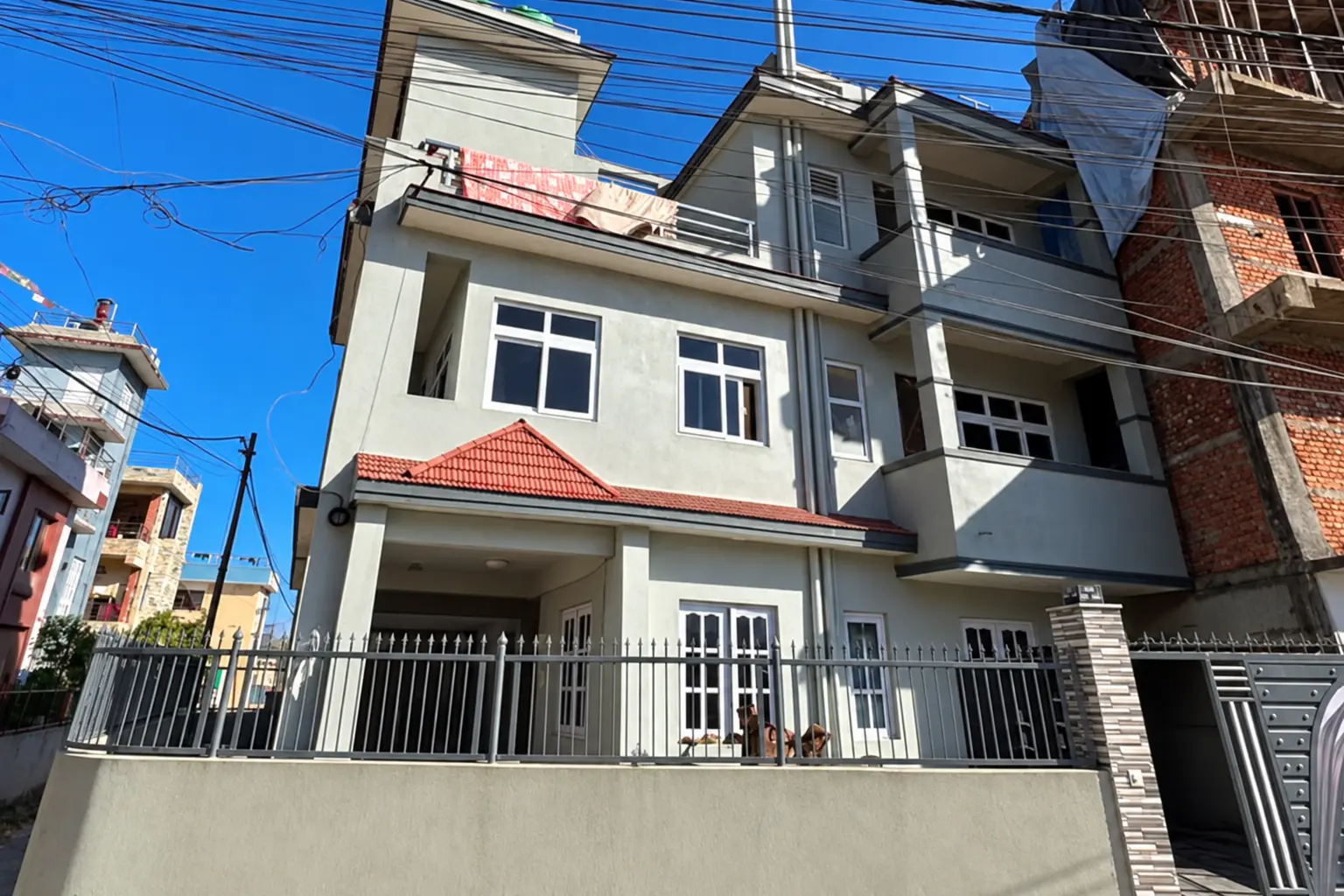
First-time buyers in Kathmandu need six things sorted before making a purchase decision: clear requirements, a realistic budget, the right location, verified property information, a physical inspection, and awareness of the mistakes that most often trip up new buyers.
This guide walks through each of those, with guidance from Punarvaasu Nepal along the way.
Understand Your Requirements Before Buying
Before searching for a house in Kathmandu, first-time buyers should clearly understand what they need from a property. The right home is not only about appearance or price; it should match your lifestyle, family requirements, and future plans. Defining these priorities early helps buyers focus on suitable properties and avoid decisions based only on first impressions.
The first step is identifying the purpose behind the purchase. Some buyers are looking for a comfortable family home, while others may consider property as a long-term investment. This decision can influence the type of property, space requirements, and features that should be prioritised.
The priorities differ depending on which of these applies. A buyer looking for a family home should weigh livability first — layout, natural light, proximity to schools and workplaces, and how the space will be used day to day. A buyer thinking primarily about long-term investment should weigh the property’s appreciation potential and rental or resale demand in that area more heavily than personal taste, since the two goals can pull toward different neighbourhoods and property types.
Family needs are another important factor when buying a house. Buyers should consider their current household size, future changes, privacy requirements, and daily convenience. Many households in Kathmandu also factor in multi-generational living, where parents or extended family may share the home, which changes how much space and how many separate living areas a property actually needs. A property that works today but does not support future needs may create challenges later.
Lifestyle preferences should also guide the decision-making process. Consider factors such as daily travel needs, access to essential services, and whether the surroundings fit your family’s routine. Many first-time buyers focus only on finding an available property, but understanding their actual requirements can make the buying process more focused and practical, rather than treating every viewing as equally worth pursuing.
Plan Your Budget Carefully
Planning your budget is one of the most important steps when buying a house in Kathmandu. While the property price is usually the biggest consideration, first-time buyers should look beyond the initial purchase amount and understand whether the decision fits their overall financial situation.
Before exploring properties, buyers should determine a realistic budget based on their income, savings, financing options, and future financial commitments. Setting a clear price range helps narrow down suitable properties and prevents buyers from making decisions that may create unnecessary financial pressure later.
It is also important to consider expenses associated with purchasing a property beyond the listed price. Buyers should keep room for additional costs involved in completing the purchase process. For a detailed understanding of property-related government charges and registration expenses, you can explore our guide on House Registration Cost in Nepal.
Financing is worth planning for separately from the purchase price itself. Buyers relying on a bank home loan should understand how much they are expected to cover as a down payment versus how much can be financed, since this affects which properties are realistically within reach. It also helps to factor in ongoing costs that continue after the purchase is complete, such as property maintenance, utility connections, and any renovation or furnishing needs, rather than treating the closing date as the end of the financial planning process.
A well-planned budget allows first-time buyers to approach the market with better clarity and confidence, rather than focusing only on what they can purchase today.
Consider the Right Location in Kathmandu Valley
Choosing the right location is one of the most important decisions when buying a house in Kathmandu. A property may meet your budget and space requirements, but its location can significantly affect your daily lifestyle, convenience, and long-term satisfaction.
First-time buyers should evaluate a location based on their everyday needs rather than choosing a place only because of its current popularity or price. Factors such as travel distance to work, road accessibility, transportation options, and connectivity with important areas should be considered before making a decision.
Access to essential facilities matters too. Nearby schools, hospitals, markets, and other daily services can make a significant difference in the comfort of living in a particular area, especially in parts of the Valley where traffic congestion can turn a short distance on the map into a long commute in practice.
Road access is worth checking specifically rather than assumed. In parts of Kathmandu Valley, a property can look well-located on a map but sit off a narrow lane that limits vehicle access or future construction options. Buyers should visit the property and confirm the width and condition of the access road, not just its proximity to major routes. It is also worth considering how the surrounding area may develop over time, since infrastructure improvements and the pace of urban expansion in that part of the Valley can influence a property’s long-term suitability.
A Quick Look at Your Property Options
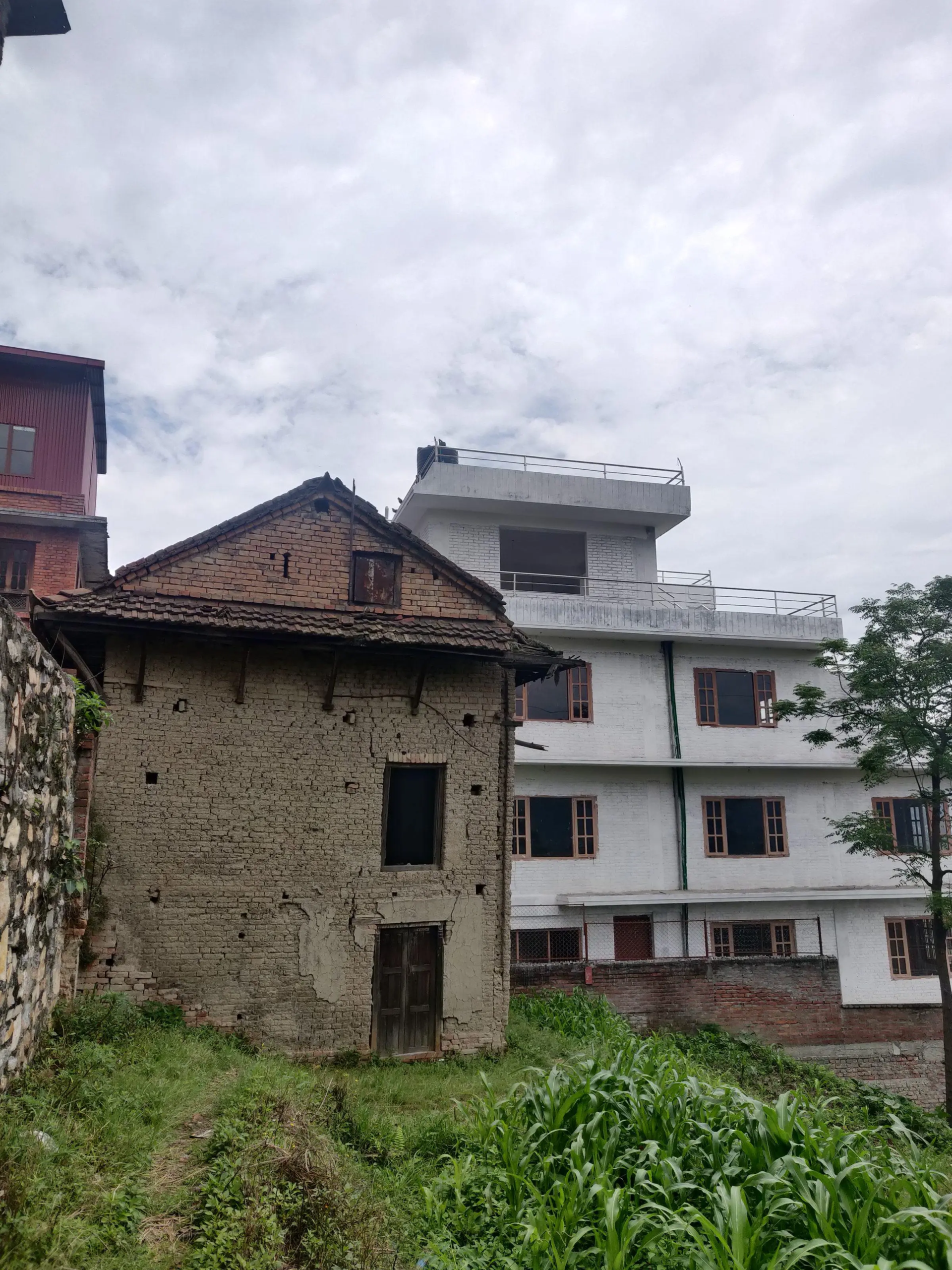
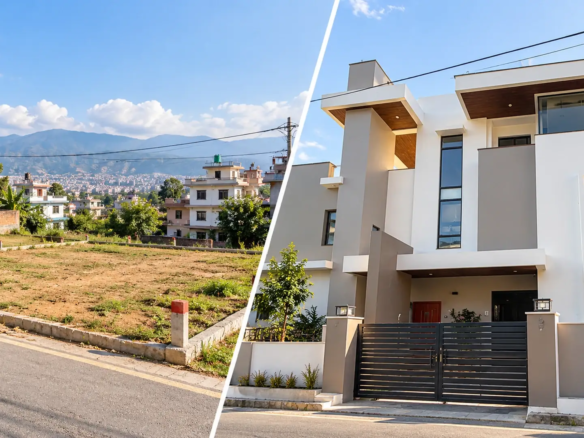
First-time buyers in Kathmandu can choose between newly built and older houses, and the two come with different trade-offs. A newly built house may appeal to buyers who prefer modern designs, updated electrical and plumbing systems, and fewer immediate adjustments. Older houses, meanwhile, can offer established neighbourhoods and existing infrastructure, though buyers should weigh this against the likelihood of needing repairs or upgrades sooner, depending on the property’s condition and location.
The right choice comes down to comparing new and older houses rather than the separate path of buying land and building, since that follows a different process and isn’t the focus of this guide.
For a detailed comparison of newly built and older houses, you can explore our upcoming guide on New House vs Old House: Which Option Is Better for Buyers in Kathmandu?
Verify Property Information Before Buying

Before making a final decision, first-time buyers should ensure that the property information is clear and properly verified. Purchasing a house involves a significant financial commitment, and having confidence in the property details can help buyers make a more secure decision.
Buyers should pay attention to ownership clarity, property information, and whether the details provided about the house are accurate. In practice, this means confirming that the seller’s ownership certificate matches the property being sold, that the title has a clear chain of ownership with no unresolved disputes, and that the property is free of any existing mortgage or legal encumbrance that could complicate the transfer. Taking time to verify these aspects before moving forward can reduce uncertainty and help avoid complications later. Buyers can refer to our detailed guide on How to Verify Land in Nepal for a deeper understanding of property verification considerations.
Inspect the Property Before Finalizing Your Decision
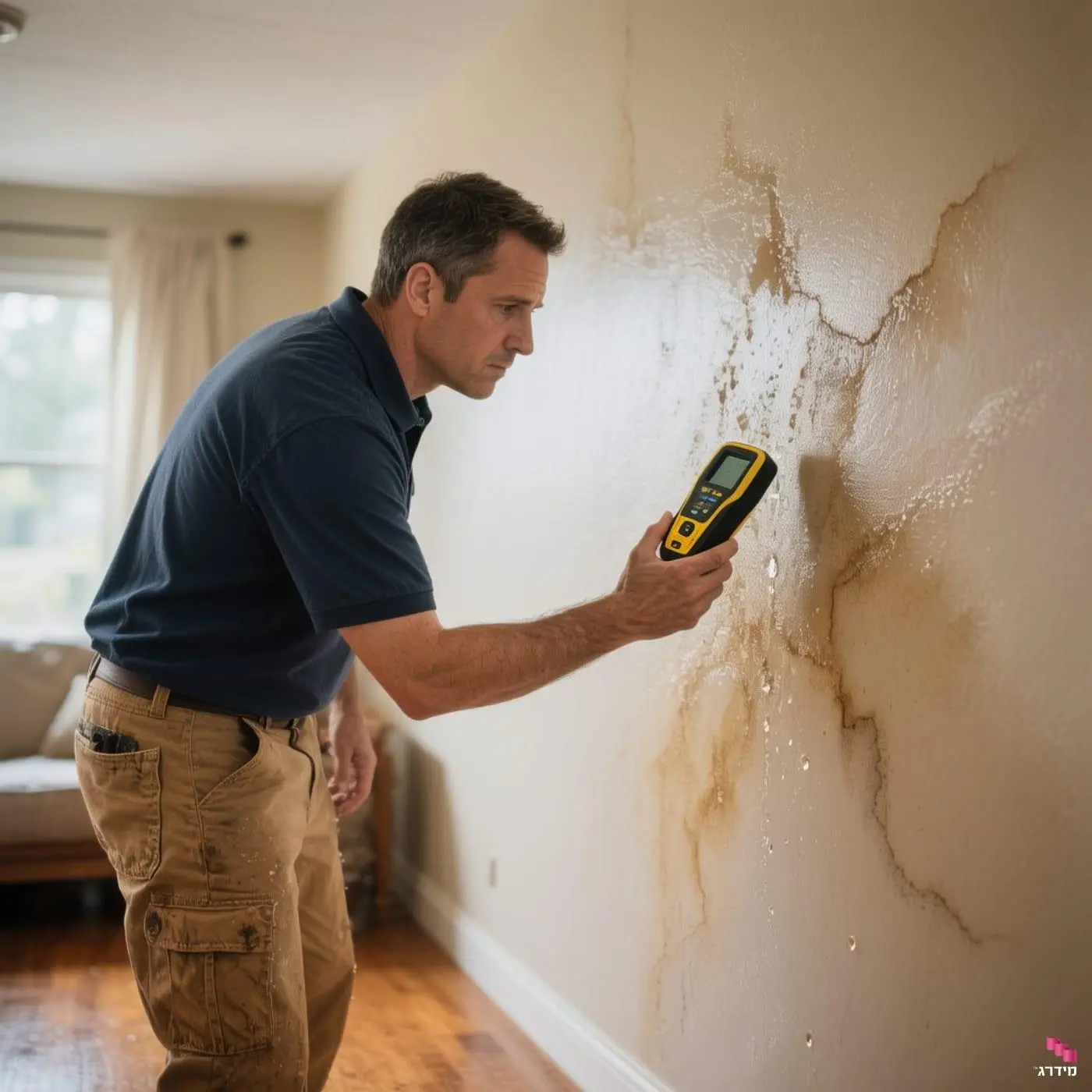
Verifying ownership only confirms who legally holds the property; it doesn’t tell you what condition the house is actually in. First-time buyers should physically inspect a property before making an offer, rather than relying on photos or a single walkthrough impression.
Key things to check include the structural condition of the building, visible signs of water damage or dampness, the state of electrical and plumbing systems, and whether any repairs or renovations have been done without proper approval. For older properties or anything showing visible wear, it is worth hiring a professional engineer or structural inspector rather than relying on a buyer’s own assessment, since some issues, like foundation cracks or drainage problems, are not obvious on a casual walkthrough.
Visiting the property more than once, including during or after rainfall where possible, can also reveal drainage and dampness issues that a single dry-weather visit would miss. Buyers who skip this step often discover costly issues only after moving in, when they are far more expensive to fix.
For a full walkthrough of what to check before paying an advance, see our House Inspection Checklist.
Common Mistakes First-Time Buyers Should Avoid
Buying a house is a major financial decision, and first-time buyers can sometimes make choices that create challenges later.
One common mistake is deciding based only on a property’s initial appearance or emotional appeal, without checking whether it actually matches lifestyle, family requirements, and long-term plans. This is an easy trap during a first visit, when a well-staged property can distract from issues that matter more in daily life. Another is focusing only on purchase price while ignoring overall suitability — a lower price isn’t better value if the property creates problems down the line.
Some buyers also rush into decisions to avoid missing an opportunity, when taking time to evaluate details and seek proper guidance leads to better outcomes. And ignoring future requirements — changes in family size, lifestyle needs, long-term plans — is a mistake that only becomes visible after the fact. A related mistake is budgeting only for the purchase price itself and underestimating the total cost of ownership, including registration expenses, maintenance, and utility connections, which can strain finances even when the purchase price itself was affordable.
Looking for a House in Kathmandu?
Looking for a house in Kathmandu that matches your requirements and budget? Whether you are searching for a family home or planning a long-term property investment, Punarvaasu Nepal can help you explore residential options based on your needs. Working with a reliable partner through requirements, verification, and inspection makes it easier to avoid the mistakes above and move forward with confidence.
Explore our residential listings to find available properties in Kathmandu Valley.
FAQs
1. What is the first step when buying a house in Kathmandu?
Understanding your requirements first — your purpose of purchase, budget, family needs, and preferred lifestyle — so you can search for properties that actually fit your situation.
2. How can first-time buyers prepare financially before buying a house?
Set a realistic budget based on your income and savings, look into financing options, and leave room for registration and other purchase-related costs beyond the listed price.
3. How do I choose a suitable location for my house in Kathmandu?
Weigh accessibility, transportation, nearby schools and hospitals, and daily convenience against your household’s routine, not just the area’s current popularity.
4. Should I buy a new house or an old house in Kathmandu?
It depends on your priorities. New houses offer modern design with fewer immediate fixes; older houses often come with established neighbourhoods and infrastructure. Compare condition and location case by case.
5. Why is property inspection important before buying a house?
Ownership verification confirms who legally owns the property, but only a physical inspection reveals its actual condition — structural issues, water damage, or electrical problems that could mean costly repairs later.


Join The Discussion