
 by
by 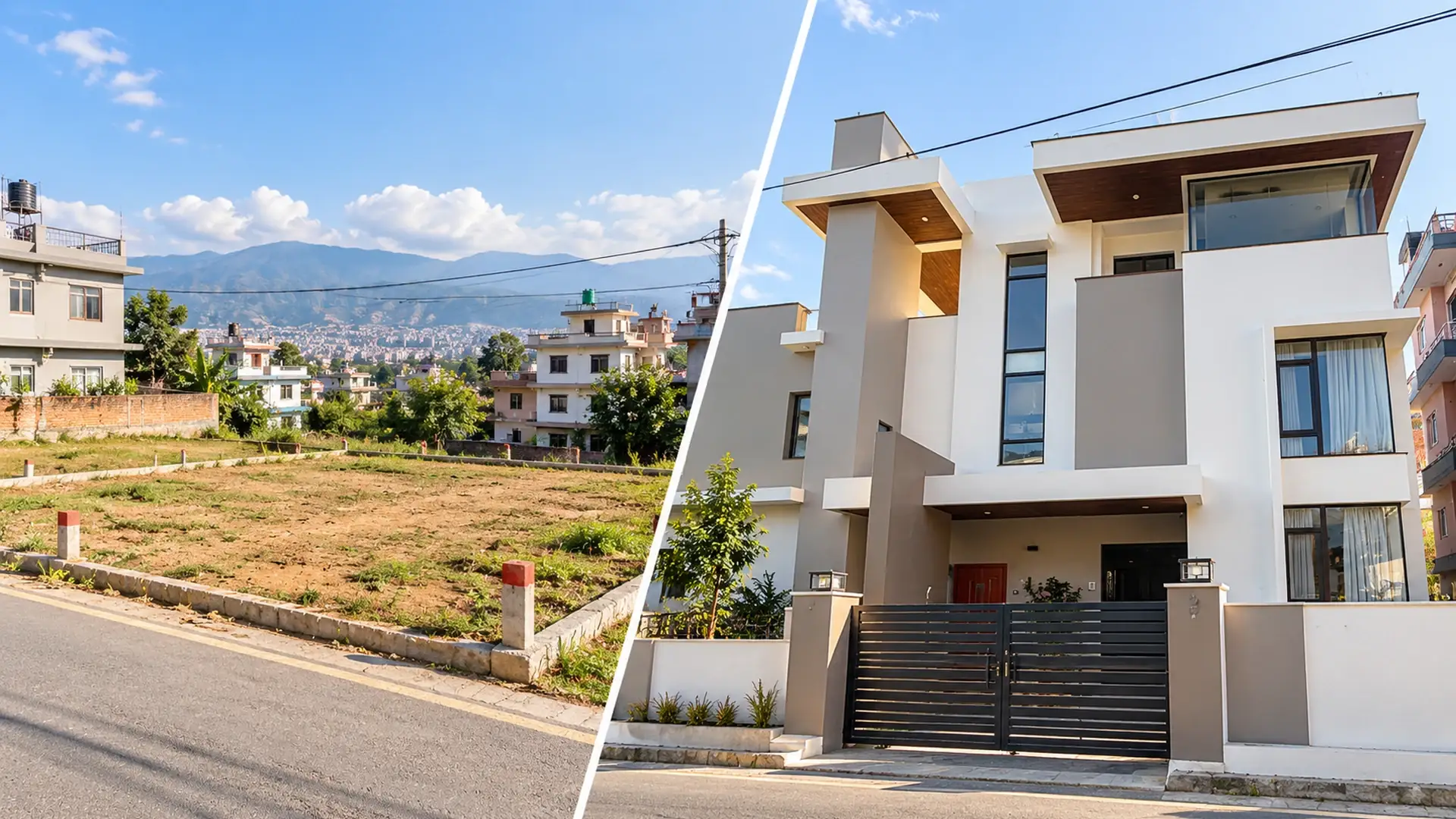
If you have some capital set aside and you’re trying to decide where to put it, the house vs land investment in Nepal question comes up almost immediately. Both options show up constantly in Kathmandu Valley’s property market, and both have genuine advocates. Land buyers point to appreciation and lower upkeep. House buyers point to rental income and immediate usability. Neither , side is wrong, the right choice depends on your goals, your budget, and how long you’re willing to hold the asset.
At Punarvaasu Nepal, we understand that choosing between land and a house requires weighing your budget, your goals, and how long you’re willing to hold the investment. This guide walks through both sides so you can make the call that fits your situation, not someone else’s.
In Nepal, that decision is rarely just about price. Road access, the pace of urban expansion in a given area, and how a location is likely to develop over the next several years can all shift whether land or a house ends up being the more suitable choice.
Land vs. House Investment at a Glance
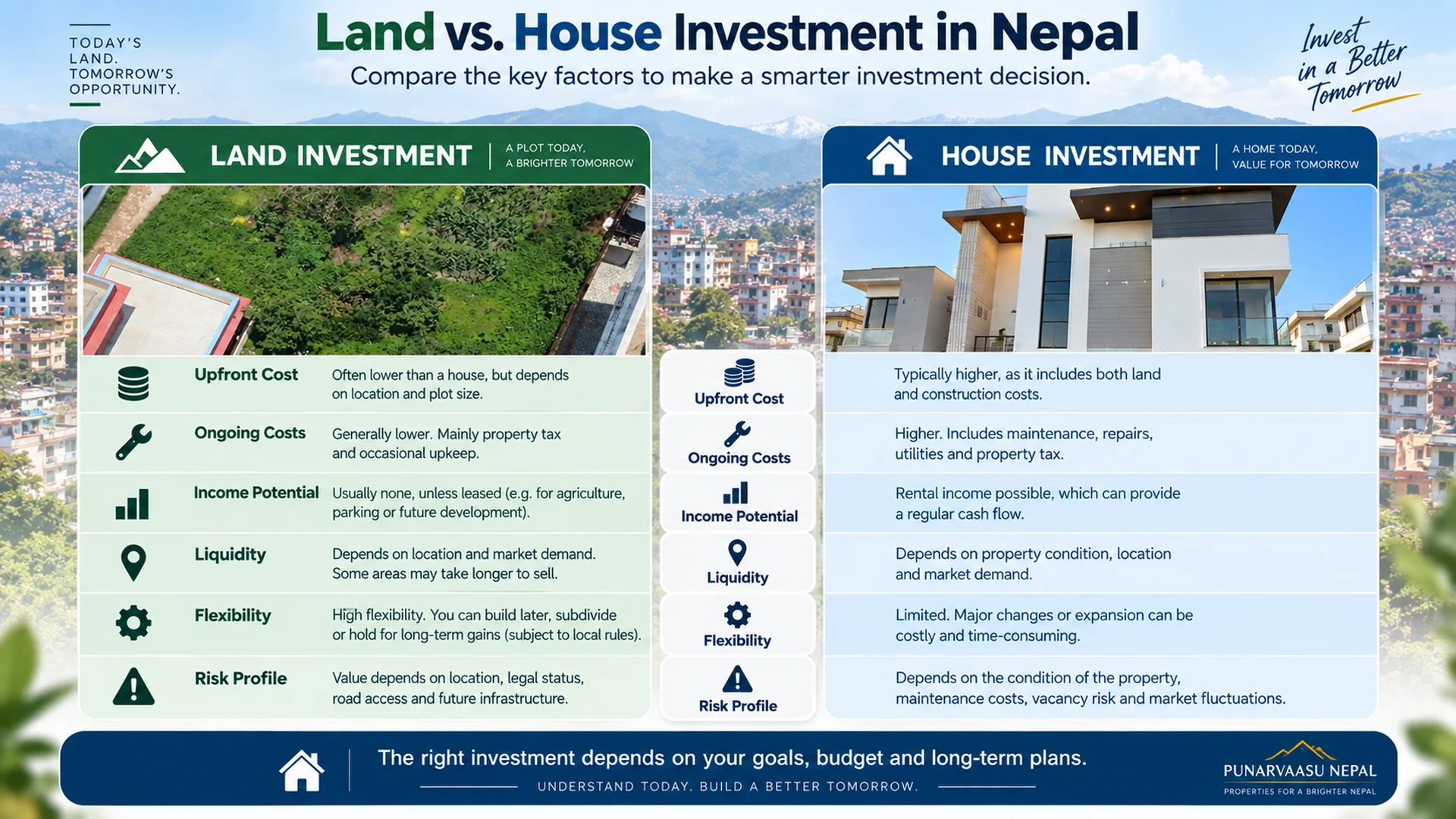
Before going deep into either option, it helps to see them side by side.
| Factor | Land | House |
| Upfront cost | Often lower per transaction, but varies heavily by location | Typically higher, since you’re paying for both land and construction |
| Ongoing costs | Minimal: largely limited to land tax and occasional boundary upkeep | Higher: maintenance, repairs, and depreciation on the structure |
| Income potential | None unless developed or leased out | Can generate rental income if location and demand support it |
| Liquidity | Generally slower to sell, especially in less-developed areas | Can be quicker to sell or rent, particularly in established neighborhoods |
| Flexibility | High: you decide when and how to develop it, if at all | Lower: the property’s use is largely fixed once built |
| Risk profile | Tied closely to future development and road access in the area | Tied to the property’s condition and the local rental/resale market |
This table isn’t meant to declare a winner: it’s meant to show that land vs house investment isn’t a single trade-off. It’s several smaller trade-offs stacked together, and how they weigh out depends entirely on what you’re trying to achieve.
Advantages of Investing in Land
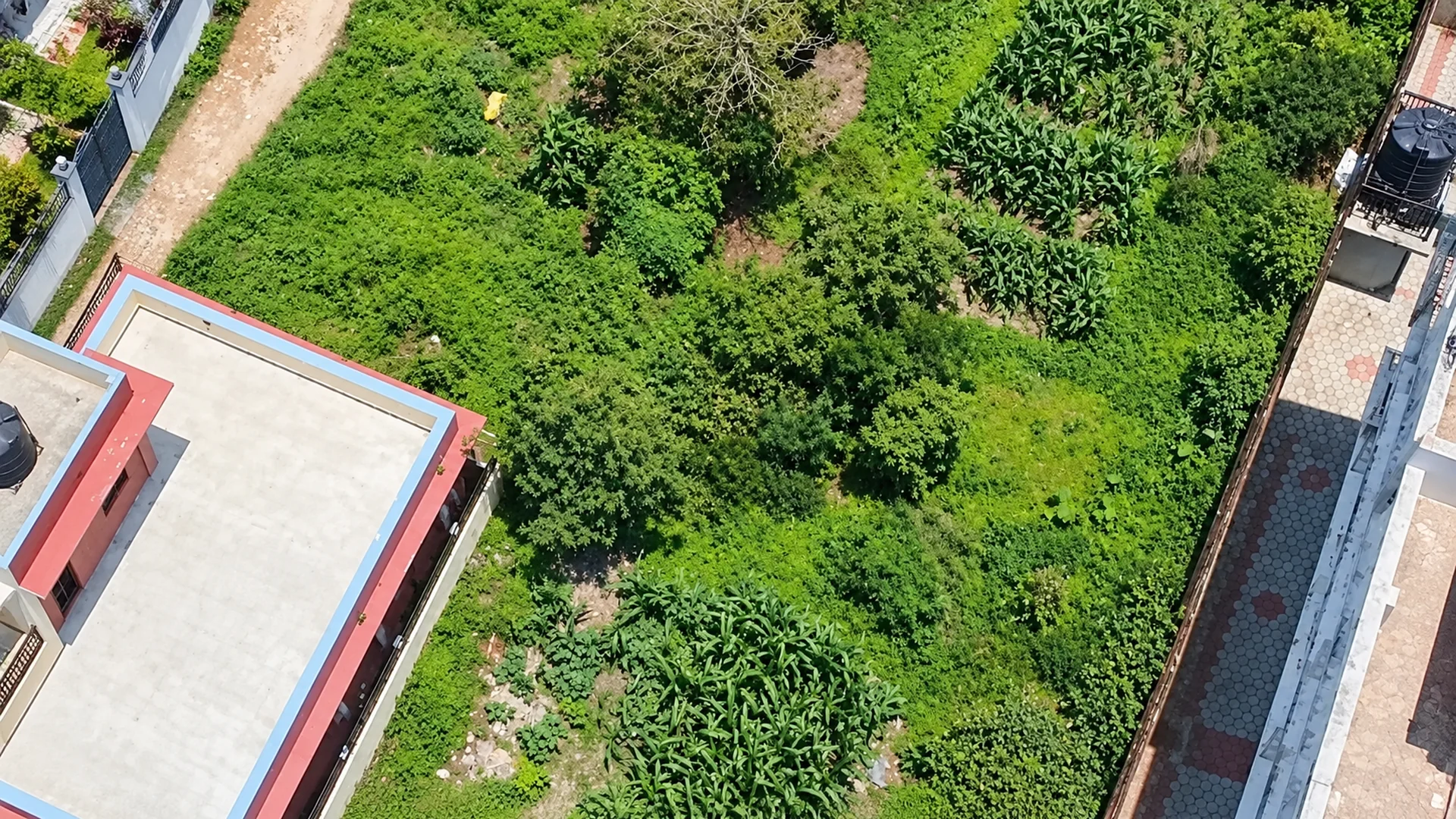
Land appeals most to investors who are comfortable playing a longer game. A plot in a developing part of the Kathmandu Valley can appreciate meaningfully as roads, utilities, and nearby construction bring an area from underdeveloped to desirable though how much and how fast is never guaranteed, and depends heavily on location-specific factors that are worth investigating before you commit.
Beyond appreciation, land carries fewer ongoing responsibilities. There’s no structure to maintain, no roof to repair, no tenant turnover to manage. For an investor who wants to hold an asset without actively managing it, that simplicity is a real advantage.
Land is also flexible. You’re not locked into a use. You can hold it undeveloped, build on it later, subdivide it, or sell it as-is that the decision stays in your hands as circumstances change. For buyers who value optionality over immediate returns, that flexibility often outweighs the lack of rental income.
The trade-off is liquidity and usability. Land in an area with poor road access or unclear future development plans can sit for a long time before it becomes attractive to the next buyer. Investing in land rewards patience it doesn’t reward buyers who might need to exit quickly.
Financing is also worth factoring in. Lenders in Nepal often treat raw land differently from a built property, since land has no structure to appraise against which can mean a larger upfront equity contribution is expected compared to financing a house. That’s not necessarily a drawback if you’re buying with cash or a smaller loan, but it’s a real consideration if you’re planning to finance the purchase.
Advantages of Investing in a House
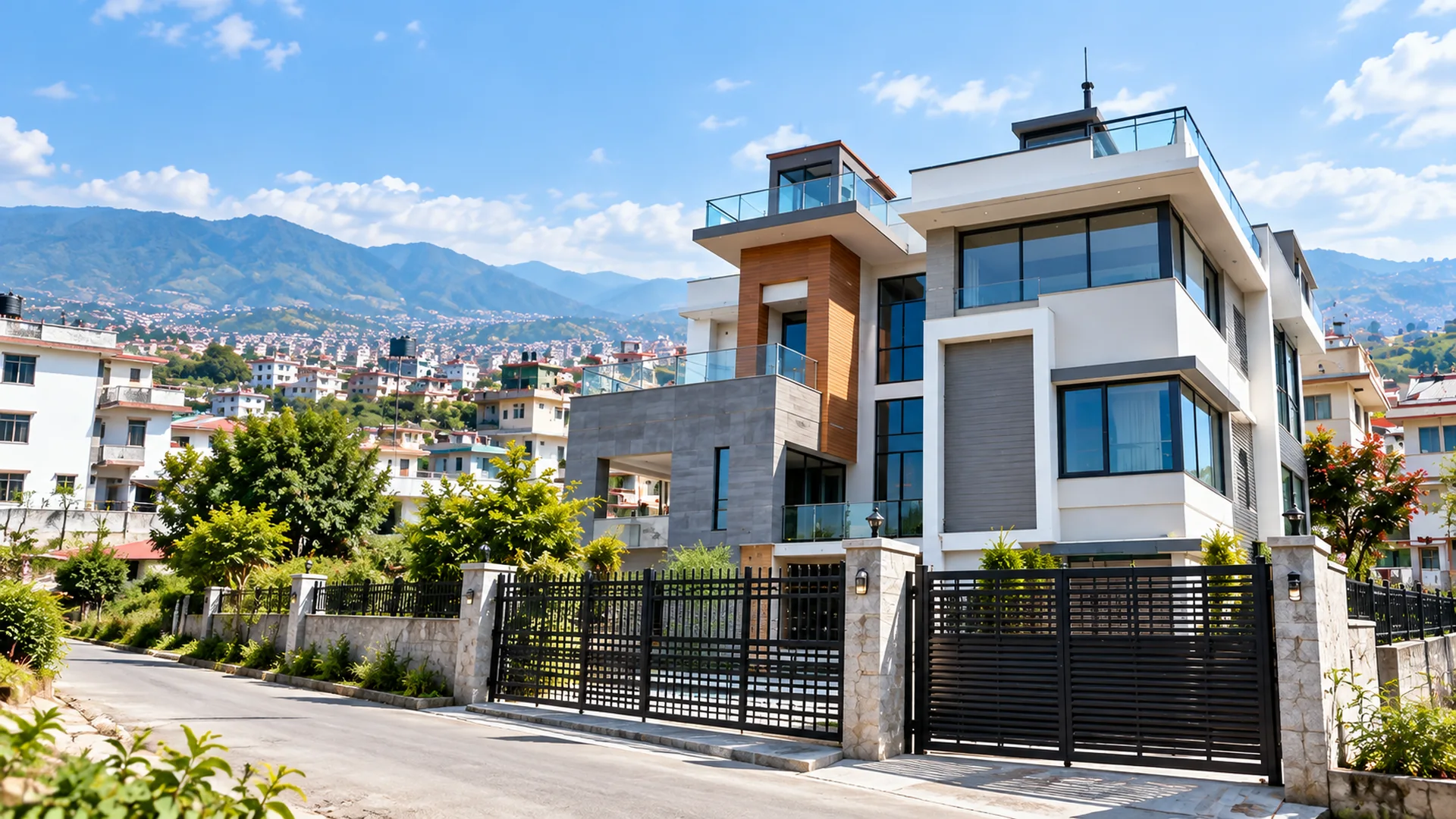
A house offers something land can’t: immediate usability. You can live in it, rent it out, or do both at different points in your ownership. That dual-purpose nature is a major draw for buyers who want their investment to serve a practical function right away, not just sit and (hopefully) appreciate.
Rental potential is the clearest financial advantage. In areas with strong tenant demand. Proximity to schools, offices, or transit routes; a well-located house can generate steady income while it also builds equity. That combination of cash flow and appreciation is hard to replicate with undeveloped land.
Houses also tend to be easier to sell or rent quickly compared to land, particularly in established neighborhoods where buyers can evaluate the property immediately rather than assessing future development potential. For an investor who values liquidity, that matters.
The trade-off is cost and upkeep. Investing in a house means paying for construction on top of land, and then maintaining that structure indefinitely; roofing, plumbing, repainting, and general wear all add up over time in ways that undeveloped land simply doesn’t.
Financing tends to be more straightforward here as well. Because a house is a built, appraisable asset, lenders are often more comfortable financing it than raw land, which can make it a more accessible entry point for buyers who don’t have the full purchase price in cash.
Factors to Consider Before Choosing

Rather than asking “which is better” in the abstract, it helps to run your own situation through a few practical questions.
What’s your investment horizon?
If you’re comfortable holding for many years without needing to access the capital, land’s appreciation-driven model fits naturally. If you want income sooner rather than later, a house’s rental potential is the more direct path.
Do you want income or pure appreciation?
Land, unless developed, produces no income on its own. A house can produce rental income from day one, assuming there’s real tenant demand in that specific location.
How important is liquidity to you?
If there’s a real chance you’ll need to sell within a few years, consider how easily each option could actually be sold in that timeframe. Land in an under-developed area can take considerably longer to move than a house in an established neighborhood.
What’s the location’s road access and development trajectory?
This matters for both options, but especially for land. A plot’s future value is closely tied to whether the surrounding area is actually developing (roads, utilities, nearby construction) rather than just being close to the city on a map.
Are you prepared for ongoing management?
A house requires maintenance and, if rented, tenant management. Land requires far less hands-on involvement. Be honest about how much time and attention you actually want to commit.
Will you need financing, and how does that affect each option?
Financing terms, required documentation, and lender comfort levels can differ between raw land and a built property, which affects not just whether you qualify but how the overall cost of the investment plays out over time. It’s worth discussing your specific situation with a lender or financial advisor before assuming either path is automatically more accessible.
Have you budgeted for costs beyond the purchase price itself?
Both options come with additional ownership costs, including registration-related expenses and other transaction fees, that should factor into your overall budget rather than being treated as an afterthought once the deal is done.
There’s no universally correct answer to any of these but working through them honestly will usually point you toward the option that fits your actual circumstances, rather than whichever option sounds more appealing in the abstract.
Common Mistakes When Choosing Between Land and a House
A few patterns show up repeatedly among buyers who end up disappointed with their choice.
Buying land purely for appreciation without considering how long you can realistically hold it.
Land can take years to appreciate meaningfully, and if you need to sell before that happens, whether due to a change in plans or unexpected financial need, you may be forced into a sale before the value has caught up.
Buying a house for rental income without checking actual demand in that specific area.
A house can sit vacant just as easily as land can sit undeveloped if there isn’t genuine tenant demand nearby. Location-specific rental demand matters far more than the property itself.
Assuming land in any location will appreciate similarly.
Development happens unevenly across the Kathmandu Valley. A plot with poor road access or no nearby infrastructure development can remain flat in value for a long time, even while comparable areas nearby see real growth.
Underestimating a house’s ongoing costs.
Between maintenance, repairs, and eventual renovation needs, a house’s true cost of ownership extends well beyond the purchase price; something buyers focused only on rental income sometimes overlook.
Skipping proper verification before purchase.
Whether you’re buying land or a house, confirming ownership and documentation is non-negotiable. If you haven’t done this before, our guide on how to verify land in Nepal walks through the process in detail.
House vs. Land: Which Is Better for You?
There isn’t a universal answer and that’s the honest one. Land tends to suit investors focused on long-term appreciation who are comfortable with lower liquidity and minimal ongoing involvement. A house tends to suit buyers who want a property that can generate income or serve as a residence right away, and who are prepared to manage the costs that come with a physical structure.
The better option is the one that matches your investment horizon, your appetite for hands-on management, and how soon you might need to access your capital. Both can be sound investments in the Kathmandu Valley. The fit depends on you, not on which option is inherently “better.”
Looking for Property in Nepal?
Whether you’ve decided on land, a house, or you’re still weighing the two, Punarvaasu Nepal can help you find verified properties that match what you’re looking for across Kathmandu, Lalitpur, and Bhaktapur. Explore available properties or reach out to our team for guidance tailored to your specific goals and budget.
Frequently Asked Questions
Is land or a house a better investment in Nepal?
It depends on your goals. Land generally suits long-term, low-maintenance appreciation plays, while a house suits buyers who want rental income or a property they can use immediately.
Is land better for long-term investment in Nepal?
Land can be a strong long-term option, particularly in areas with genuine development potential, but appreciation isn’t guaranteed and depends heavily on location-specific factors like road access and nearby infrastructure growth.
Is buying a house better if I want rental income?
Generally, yes a house allows you to generate rental income immediately, provided there’s real tenant demand in that location. Land produces no income unless it’s developed.
What should I consider before choosing between land and a house?
Your investment horizon, whether you want income or pure appreciation, how important liquidity is to you, the specific location’s development trajectory, and how much ongoing management you’re prepared to take on.
Can I switch from one strategy to the other later?
To some extent; land can be developed into a house later, and a house can eventually be sold to reinvest in land. But each comes with its own costs and timing considerations, so it’s worth choosing based on your current goals rather than assuming you’ll pivot easily down the line.

Join The Discussion