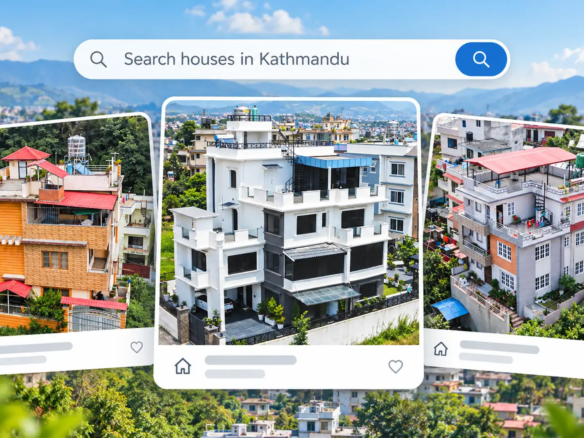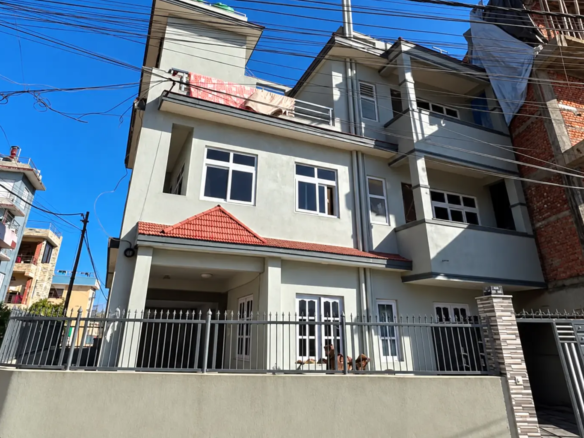
Real estate represents more than just a physical property, it encompasses everything from a small plot of land to high-rise buildings and apartments. For many people, especially in Nepal, property or land ownership is not just an asset but a lifelong investment and a symbol of success. With the rapid rise in urbanization, the price for real estate property is also at its sky-high. In urban areas like the Kathmandu Valley with the price surge in land, conflicts over ownership, boundaries, inheritance, and documentation have increased drastically. Real estate disputes in Nepal have become one of the most persistent legal challenges in recent years. The Auditor General’s Annual Report shows that civil cases make up approximately 58.82% of Nepal’s total judicial caseload, with land and property disputes accounting for a major portion of these civil cases. Buyers, sellers, and investors often enter into agreements and sign papers without understanding the legal implications properly. This later results in emotionally and financially draining conflicts extending for years. At Punarvaasu Nepal, as a trusted real estate company, we’ve witnessed firsthand the consequences of real estate conflicts. The most common real estate disputes in Nepal, their causes, along with practical and legally sound solutions to resolve and prevent such conflicts are discussed in this blog. This guide will help you make informed decisions with your property whether you’re a property owner, buyer, or investor.
Key Causes of Real Estate Disputes in Nepal

Real estate problems can stem from a lack of legal knowledge or family-related disagreements. The common causes constitute the following.
Land Registration and Documentation Issues
Through our work at Punarvaasu Nepal, we’ve found that documentation problems form the foundation of most disputes. The traditional practice of relying on verbal agreements, especially in rural communities, creates vulnerabilities during property transactions or inheritance. Research on Nepal’s land administration systems notes that inaccurate, incomplete, and outdated land records remain a significant challenge, affecting the effectiveness of land management and property rights protection
Common documentation issues include:
- Multiple ownership claims on the same property.
- Discrepancies between Lalpurja (land ownership certificates) and actual survey maps.
- Duplicate or forged ownership certificates.
Not updating records after sales, inheritance, or subdivisions.
Family Inheritance Disagreements

Inheritance conflicts often arise from a mix of cultural practices, delayed documentation, and unequal distribution. Some of the most common triggers include:
- Verbal division of land by parents without completing the formal legal transfer of ownership.
- Rising land values create dissatisfaction. When land values increase over time, siblings or family members often feel dissatisfied with the share they receive during the formal transfer, especially if the division was agreed upon verbally years earlier.
- Failure to transfer inheritance during a parent’s lifetime, leaving unclear documentation after their death, and fueling disagreements within the family.
Disputes over women’s inheritance rights, where daughters are often denied their rightful share despite legal recognition under the Civil Code.
Such conflicts are emotionally charged and often prolonged, straining family relationships while dragging on in courts.
Fraudulent Transactions and Real Estate Fraud in Nepal

Fraudulent transactions are one of the most alarming causes of disputes in Nepal. They exploit documentation loopholes and a lack of legal awareness.
Common fraud cases include:
- Selling land without legal ownership
- Double sales, meaning selling the same property to multiple buyers.
- Misuse of the power of attorney for unauthorized transfers
- Forged documents are used to claim ownership, commonly in government‑owned land.
Rural areas often see manipulation of elderly or mentally unwell owners, while urban centers face sophisticated scams. These practices not only cause financial losses but also erode confidence in Nepal’s real estate sector.
Legal Framework Governing Real Estate Law in Nepal

Real estate in Nepal operates under a structured legal framework designed to safeguard ownership rights, regulate transactions, and minimize disputes.
Understanding these laws and institutions is essential for buyers, sellers, and investors to ensure that property dealings are secure and legally valid.
Key Laws Governing Real Estate
Nepal’s property sector is primarily regulated by the following governing bodies:
- Land Act 1964 (2021): This is the foundation for land ownership, registration, and transfer.
- Civil Code 2017 (Muluki Civil Code, 2074): This updated inheritance legislation defines property rights and helps settle family disagreements over property.
- Local Government Operation Act 2017 (2074): This gives local governments the power to handle land management and resolve disputes in their communities.
Together, these laws define how property is owned, transferred, inherited, and contested, forming the backbone of Nepal’s real estate system.
Role of the Land Revenue Office (Malpot)
The Land Revenue Office (Malpot) is the central authority for property administration. It ensures that transactions are legally recognized and properly documented. Its responsibilities include:
- Registering land by recording ownership details in official records
- Transferring ownership after validating property sales, inheritance, and subdivisions
- Maintaining the records by updating land records to prevent duplication, fraud, or disputes
Failing to register or update records at the Malpot office often leads to ownership conflicts, making its role critical in dispute prevention.
An important part of this legal process is the registration fee, which ensures that transactions are formally recognized and legally binding:
- Municipal Areas: 4.5% of property value (for transactions above NPR 25,000)
- Rural Municipalities: 2% of property value (for transactions above NPR 25,000)
While many property owners hesitate to pay these fees, failing to register can invalidate ownership transfers and later lead to disputes. Proper compliance not only secures property rights but also reduces the risk of fraudulent claims and overlapping ownership.
Solutions & Conflict Resolution Methods

Real estate disputes in Nepal can be complex, but there are several effective methods to resolve them. These approaches range from informal community mediation to formal court proceedings, with professional legal guidance playing a crucial role in preventing conflicts altogether.
Mediation and Local Resolution
In the context of Nepal, most disputes are often resolved at the local community level through judicial committees and community mediation processes established under the Local Government Operation Act, rather than progressing immediately to formal courts.
Local committees intervene to settle disagreements and disputes, and such a resolution helps preserve family and neighborly relationships. The mediation is also faster, cost-effective, and less adversarial compared to litigation.
This method is particularly effective in rural areas, where community trust and social harmony are valued.
Court Remedies
When the local mediation fails, the disputes are escalated to the formal judicial system. Thousands of land dispute cases land in the civil courts annually. The average resolution time of such cases drags up to 2 and 3 years, depending on the complexity of the case.
When the disputes reach the court, it is essential to have proper documentation and legal representation to significantly improve the outcome. Though court remedies provide a legally binding solution, they are often time-consuming and expensive.
Professional Legal Advice
Taking legal advice from a professional is counted as one of the best ways to resolve land disputes. The Nepal Bar Association serves as the country’s official professional body for lawyers, and property law practitioners commonly advise that early legal consultation can help prevent escalation and reduce risks associated with land dispute litigation.
Legal professionals assist with:
- Verifying ownership and checking for encumbrances
- Ensuring agreements are legally sound by drafting contracts
- Verifying and confirming the authenticity of Lalpurja and other related documents
Consulting and engaging with a lawyer early in the process while handling property-related work can prevent disputes from arising in the first place.
Alternative Dispute Resolution (ADR)
Beyond mediation and formal court proceedings, ADR methods are gaining traction in Nepal as a practical alternative to litigation. ADR provides structured processes to settle disputes more efficiently, with less cost and time.
- Arbitration: Involves a neutral third party who makes a binding decision, much like a private judge.
- Negotiation: Parties discuss directly to reach a voluntary compromise, without formal procedures.
- Conciliation: A conciliator actively facilitates discussions and can propose solutions to help parties settle, similar to but often more involved than mediation.
ADR is increasingly recognized for its efficiency, flexibility, and ability to reduce the overwhelming backlogs in Nepal’s courts, while preserving business and personal relationships.
Government & Administrative Remedies
Certain property disputes can be resolved faster and more affordably through administrative channels rather than formal courts. These official mechanisms often provide direct solutions without lengthy litigation.
- Land Revenue Office (Malpot): Corrects registration errors and facilitates legal ownership transfers. It is the primary authority for updating and verifying land records.
- Survey Department: Officially resolves boundary conflicts and measurement disputes by conducting accurate surveys and issuing certified maps.
- Local Governments: Empowered under the Local Government Operation Act 2017, municipal and rural municipal offices can mediate local community conflicts and property issues at the grassroots level.
These administrative remedies are generally quicker, less costly, and more accessible than court proceedings, offering a practical first step in resolving many common property disputes.
Preventing Future Real Estate Disputes in Nepal

While property disputes are common in Nepal, many of them can be avoided with proper awareness and proactive measures. Buyers, sellers, and families can significantly reduce risks by following a few essential steps that ensure transparency and legal compliance in real estate transactions.
Verify All Documents
To prevent property disputes, it is crucial to cross-check Lalpurja (land ownership certificate) with records at the Malpot (Land Revenue Office) to confirm that the seller has the legal authority to sell the property and also ensure that there are no duplicate or forged ownership certificates.
Verifying that the proper documentation is fulfilled prevents fraudulent claims and overlapping ownership disputes from happening.
Use Government Digital Portals
Digital portals provided by affiliated government offices,such as the Land Records Information Management System (LRIMS) implemented by the Department of Land Management and Archive, allow buyers to verify ownership records digitally.
Utilizing such government systems ensures transparency of ownership and builds trust during transactions of property and land. Doing so also helps in reducing the risk of fraud and errors, as official data can be accessed in real-time.
Seek Professional Legal Guidance
Seeking professional legal advice during property transactions is highly recommended, particularly for complex cases. A property consultant or a lawyer can provide clarity, ensure legal compliance, and prevent costly future disputes.
- Inheritance Properties: Lawyers help clarify rights, interpret the Civil Code, and guide the legal partition process among heirs.
- Joint Ownership Land: Legal experts assist in structuring fair co-ownership agreements and can mediate to prevent conflicts between owners.
- High-Value Urban Transactions: Professional due diligence includes verifying ownership, checking for encumbrances, and uncovering hidden liabilities to protect against fraud.
Surveys and legal practice studies consistently indicate that early legal consultation significantly reduces the risk of land and property disputes, as timely advice helps ensure proper documentation, compliance with land laws, and early dispute prevention. For reliable, expert-backed guidance throughout your property journey, partnering with a knowledgeable firm like Punarvaasu Nepal ensures you have the professional support needed to navigate transactions confidently and protect your investment for the long term.
Conclusion
In Nepal, real estate conflicts happen often, but many can be avoided if we take the right steps. Keeping good records and ensuring accurate registration, along with understanding the laws, are key ways to prevent these issues. Getting help from professionals is also important when making property deals to ensure everything goes smoothly.
With new legal changes and digital verification tools, there’s now a greater chance for clear and accountable property dealings. This makes it easier to defend one’s property rights. By being proactive, property owners can not only protect their land but also secure a safe future for their families, steering clear of lengthy and costly legal battles.
At Punarvaasu Nepal, we are committed to guiding clients through every stage of property transactions with expertise and trust. Whether you are buying, selling, or managing property, our focus is on ensuring that every deal is secure, transparent, and legally sound, because the right professional approach now can save years of trouble in the future.
FAQs on Real Estate Disputes in Nepal
- What is Lalpurja, and why is it important?
Lalpurja (land ownership certificate) is the official land ownership certificate issued by the government of Nepal. It serves as the primary legal proof of ownership. Without a valid Lalpurja, property claims are weak and highly vulnerable to disputes and fraud. - How can land ownership be verified in Nepal?
Land ownership can be verified by cross-checking the Lalpurja with records at the Malpot (Land Revenue Office). The Department of Land Management also provides digital verification portals to help reduce fraud risks. - What role does the Malpot office play in property matters?
The Malpot office is responsible for land registration, ownership transfer, and record maintenance. Failure to register or update ownership records at Malpot is one of the leading causes of real estate disputes in Nepal. - What documents are required to register property in Nepal?
Required documents include:
Lalpurja (land ownership certificate)
Citizenship certificates of the buyer and seller
Tax clearance certificate
Sale deed (Rajinama) signed by both parties
Incomplete documentation often results in registration delays and legal disputes. - What happens if the property is not registered at Malpot?
Unregistered property has no legal recognition. Ownership becomes difficult to prove, increasing exposure to fraud, competing claims, and legal challenges. - What are the most common causes of real estate disputes in Nepal?
Common causes include incomplete or outdated documentation, inheritance disputes, fraudulent transactions, boundary conflicts, and land measurement or registration errors. - How do boundary disputes occur in Nepal?
Boundary disputes usually arise due to outdated cadastral maps, incorrect land measurements, or natural changes such as river shifts or erosion. These disputes are handled by the Survey Department of Nepal. - What are common real estate fraud cases in Nepal?
Common fraud cases include selling land without legal ownership, double sales (selling the same land to multiple buyers), and misuse of power of attorney. Such cases are more common in high-value urban areas. - Are verbal property agreements valid in Nepal?
No. Verbal agreements carry little legal value. Courts prioritize registered and written documentation, making informal agreements legally weak. - Can women inherit property in Nepal?
Yes. Under the Civil Code 2017, daughters have equal inheritance rights. However, disputes still arise due to a lack of awareness and traditional joint family practices. - Can a son claim his father’s property in Nepal?
A son may claim a share of ancestral property under inheritance laws. However, self-acquired property can only be claimed if the owner dies intestate or explicitly includes the son in a will. - What are the methods of dispute settlement in Nepal?
Dispute settlement methods include local mediation committees, arbitration (in limited cases), and civil court litigation. - Can mediation resolve property disputes faster than courts?
Yes. A significant number of property disputes in Nepal are resolved through mediation, which is faster, more cost-effective, and helps preserve family and community relationships. - What happens if mediation fails?
If mediation fails, disputes are escalated to civil courts. Court verdicts are legally binding but may take two to three years or longer to conclude. - How long does it take to resolve a property dispute in Nepal?
Mediation: Weeks to months
Civil courts: Around 2–3 years
Appeals: May extend for several additional years - Can foreigners buy property in Nepal?
Foreigners are generally restricted from owning land in Nepal. Leasing property or investing through registered companies may be permitted under specific legal conditions. - How can real estate fraud be prevented in Nepal?
Fraud can be prevented by verifying ownership at Malpot, using official digital portals, avoiding verbal agreements, and seeking legal advice for high-value transactions. - What is the single most important step in preventing property disputes?
Comprehensive document verification at the Land Revenue Office (Malpot) before completing any transaction.