
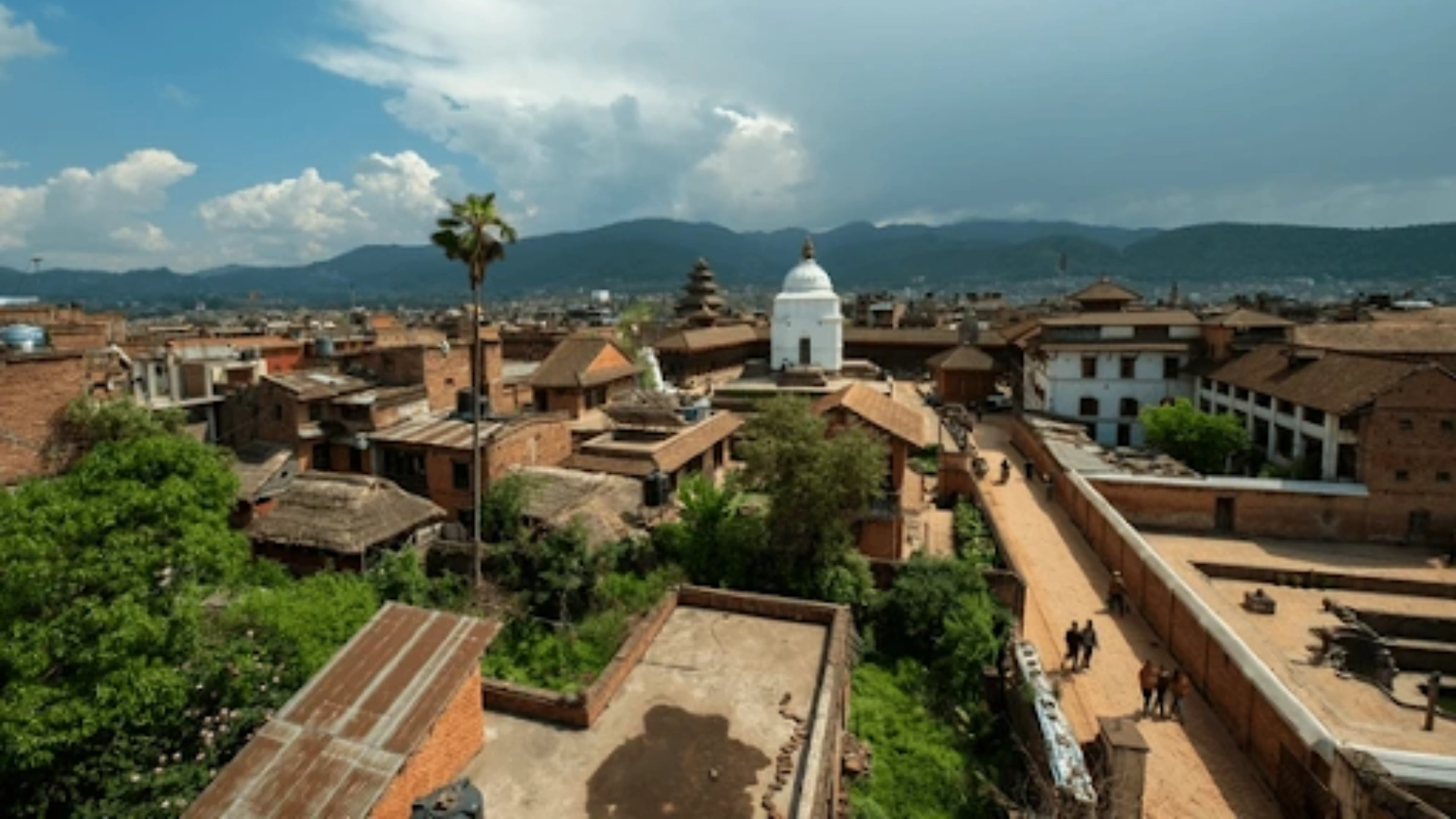
Did you know Kathmandu Valley’s real estate market is set to grow 3.26% annually until 2029 (according to Statista Market Forecast)? With its rich cultural heritage, rapidly growing infrastructure, and increasing availability of modern amenities, the valley has become an attractive place to live. But with so many neighborhoods to choose from, where should you settle to enjoy the best quality of life, convenience, and community?
Whether you are a local resident or a Non-Resident Nepali (NRN) looking for a home in your homeland, choosing the right neighborhood is essential. In this guide, we explore the best places to live in Kathmandu Valley, the factors that affect comfort and lifestyle, and practical tips to help you find a home that suits your family’s needs and daily life.
Overview of Kathmandu Valley’s Real Estate Market
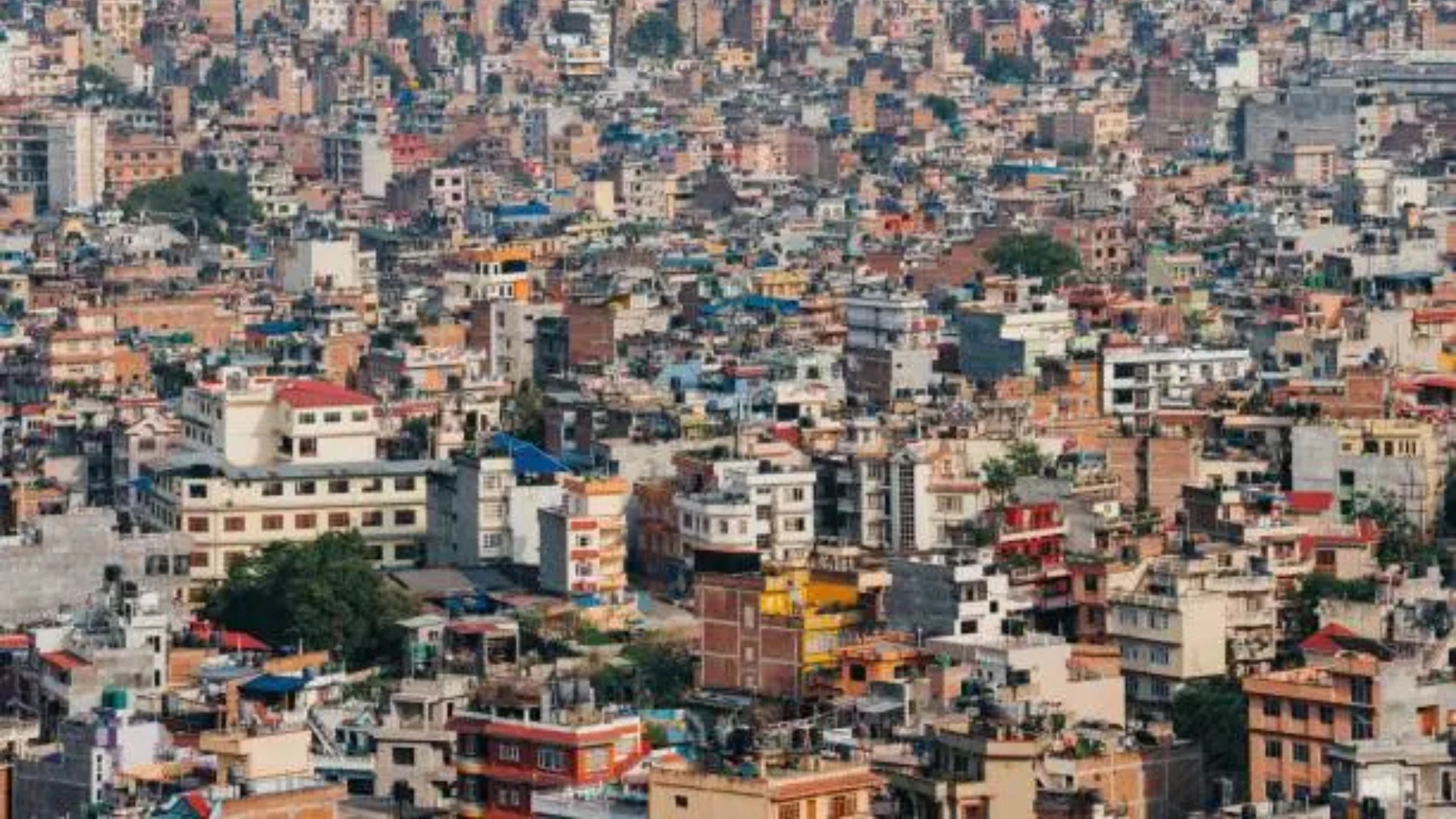
Kathmandu Valley’s real estate market has evolved significantly over the past decade. Urban expansion, improved infrastructure, and a growing population have fueled demand for residential, commercial, and mixed-use properties. According to a Statista Market Forecast, Nepal’s real estate market is projected to grow by 3.26% annually from 2024 to 2029. This growth highlights the increasing investment potential in Kathmandu Valley, driven by both local buyers and Non-Resident Nepalis (NRNs) looking for lucrative property opportunities. Key trends include:
- Residential boom: Gated communities, modern apartments, and luxury villas are becoming increasingly popular.
- Commercial growth: Business hubs like Thamel, Baneshwor, and New Baneshwor attract investors seeking high rental yields.
- NRN investments: Many NRNs are purchasing property for personal use, rental income, or long-term capital appreciation.
The real estate market here offers diverse options, but understanding local dynamics and location-specific advantages is critical for success.
Why Location Matters When Buying Property
When it comes to real estate, location is the ultimate value driver. Here’s why:
- Resale and Appreciation: Properties in prime areas tend to retain or increase their value over time.
- Accessibility: Proximity to schools, hospitals, shopping centers, and workplaces enhances convenience.
- Lifestyle Factors: Safe neighborhoods with community amenities attract long-term residents and families.
- Rental Potential: For investors, areas with strong demand can generate consistent rental income.
Choosing the right location ensures your investment grows in value while providing comfort and convenience for residents.
Factors to Consider Before Buying Property
Purchasing property in Kathmandu Valley requires careful planning and evaluation. With real estate prices on the rise, making an informed decision can ensure long-term benefits. As of 2024, the average price of a house in Kathmandu is around NPR 35.9 million, while land typically costs about NPR 3.24 million per aana. These figures highlight that while property ownership can be expensive, it often proves to be a rewarding investment over time.
Budget and Affordability
Please assess your budget realistically. Prices vary widely depending on location, property type, and infrastructure. Consider both upfront costs and long-term expenses like maintenance, property tax, and utilities.
Infrastructure and Connectivity
Check the accessibility of the property. Well-connected areas with paved roads, public transport, and proximity to commercial hubs are more likely to appreciate in value.
Safety and Community Amenities
Safety is paramount. Look for neighborhoods with low crime rates, reliable utilities, and amenities like parks, schools, hospitals, and shopping centers. A strong community adds value to both residential and commercial investments.
Future Development Prospects
Investigate upcoming development plans such as new roads, metro lines, commercial projects, or IT hubs. Properties in areas with planned infrastructure upgrades often see faster appreciation.
Best Locations to Buy Property in Kathmandu Valley
Here’s a breakdown of top areas that combine growth potential, lifestyle, and investment value:
| Location / Area | Key Areas / Highlights | Average Property Prices | Pros | Cons | Recommendation |
| Lalitpur | Patan Dhoka, Jawalakhel, Lagankhel | NPR 10–30 million for residential plots (depending on location & size) | • Rich cultural heritage & historic architecture• Good schools, hospitals, and shopping areas• Peaceful residential environment | • Higher property prices compared to emerging areas• Traffic congestion in central Patan | Ideal for NRNs and families seeking a balance of heritage charm and modern amenities |
| Bhaktapur | Heritage city with temples & traditional architecture | Lower than Kathmandu & Lalitpur (competitive pricing in emerging areas) | • Lower prices• Strong appreciation potential due to heritage & tourism appeal• Peaceful, community-oriented lifestyle | • Limited commercial infrastructure in some parts | Perfect for investors interested in long-term appreciation & a serene lifestyle |
| Kathmandu Metropolitan City (KMC) | Thamel, Baneshwor, Jawalakhel, Lazimpat | Higher in central areas (premium rates) | • High rental yield (residential & commercial)• Proximity to business districts & transport hubs• Vibrant lifestyle with cafes, malls & cultural attractions | • Expensive property in central areas• Urban congestion & traffic issues | Best for NRNs seeking rental income or investors targeting central, well-connected locations |
| Other Emerging Areas | Tokha, Gokarna, Kapan | Affordable plots (lower initial investment) | • Lower entry costs• Quiet, green neighborhoods• Potential for strong capital appreciation | • Limited public amenities• Some areas need infrastructure upgrades | Ideal for first-time buyers or those seeking peaceful surroundings at lower costs |
Recommendation: Ideal for first-time buyers or those seeking peaceful surroundings without breaking the bank.
Tips for NRNs and First-Time Buyers
Legal Considerations
- Ensure the property title is clear and free from disputes.
- Verify compliance with government regulations.
Documentation and Approval Process
- Obtain land ownership certificates, building permits, and municipal approvals
- NRNs must comply with specific government rules regarding property purchase.
How to Evaluate Property Value
- Compare prices in similar neighborhoods
- Check the property’s proximity to schools, hospitals, and commercial centers.
- Evaluate future infrastructure plans that may affect value
Pro Tip: Consult trusted real estate experts like PunarvaasuNepal to navigate legal and market complexities. But don’t just take our word for it, here’s what our clients have to say:
Conclusion
Investing in property in Kathmandu Valley is more than just a financial decision—it’s about securing lifestyle, convenience, and long-term growth. From the historic charm of Lalitpur and Bhaktapur to the bustling urban hubs of KMC and emerging areas like Tokha and Kapan, there are options for every type of buyer.
By considering factors like budget, infrastructure, safety, and future development, NRNs and local investors can make smart, profitable decisions. Consulting with real estate professionals and exploring the market thoroughly ensures your investment aligns with your goals.
Explore your dream property in Kathmandu Valley today and take the first step toward owning a valuable piece of Nepal’s thriving capital region!



Join The Discussion