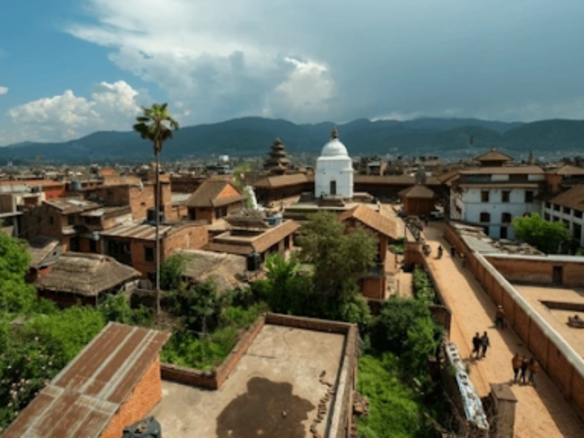
Why Buying a House in Nepal is a Great Investment
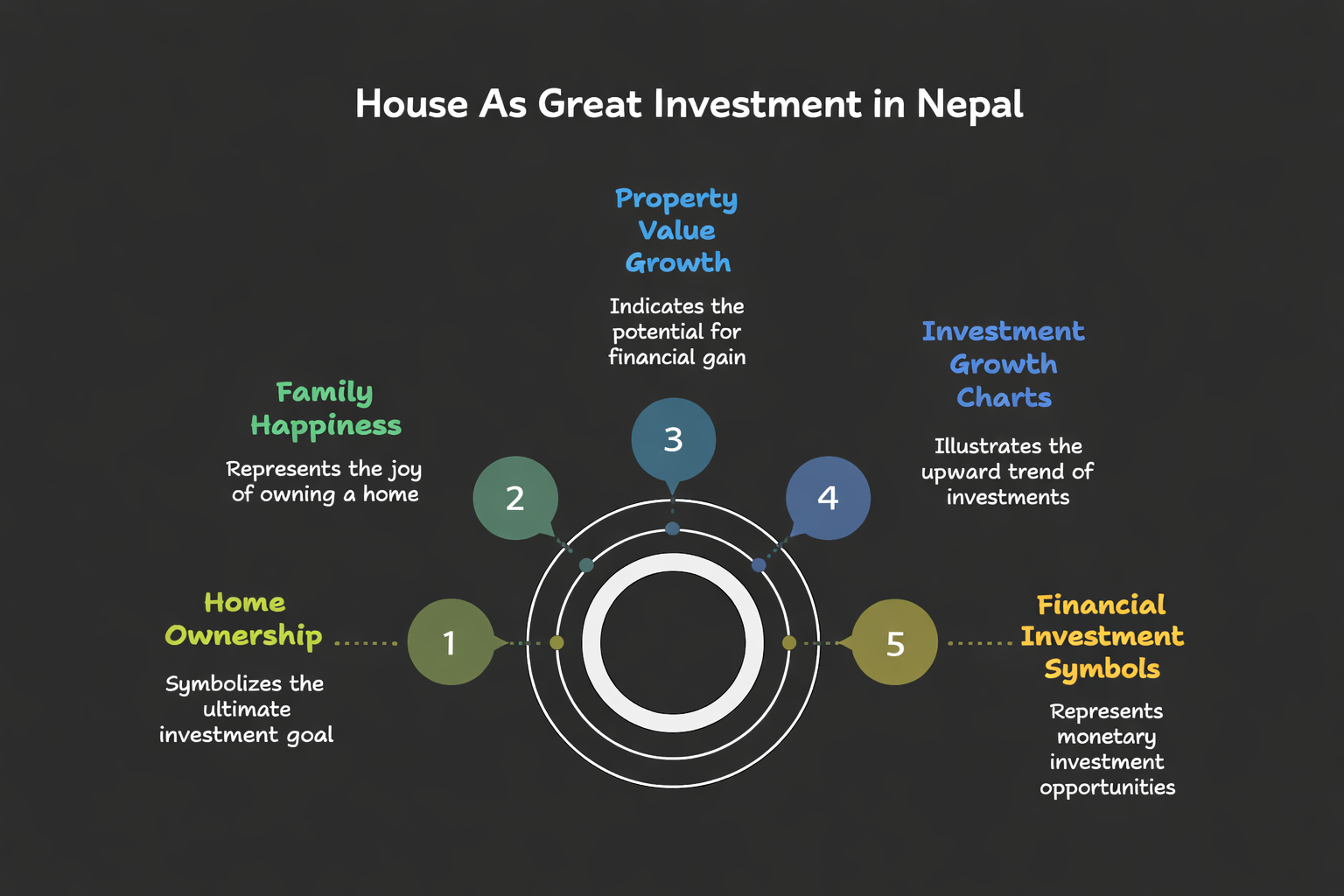
The Nepal real estate market has a strong combination of culture, fast-improving infrastructure, and affordability, thus making it a very attractive investment destination. Cities such as Kathmandu and Pokhara are experiencing a boom in demand that has seen an appreciation in property value. Having a family house, a vacation home, or an investment property, Nepal real estate has a big potential in the long term.
Step 1: Research the Real Estate Market in Nepal
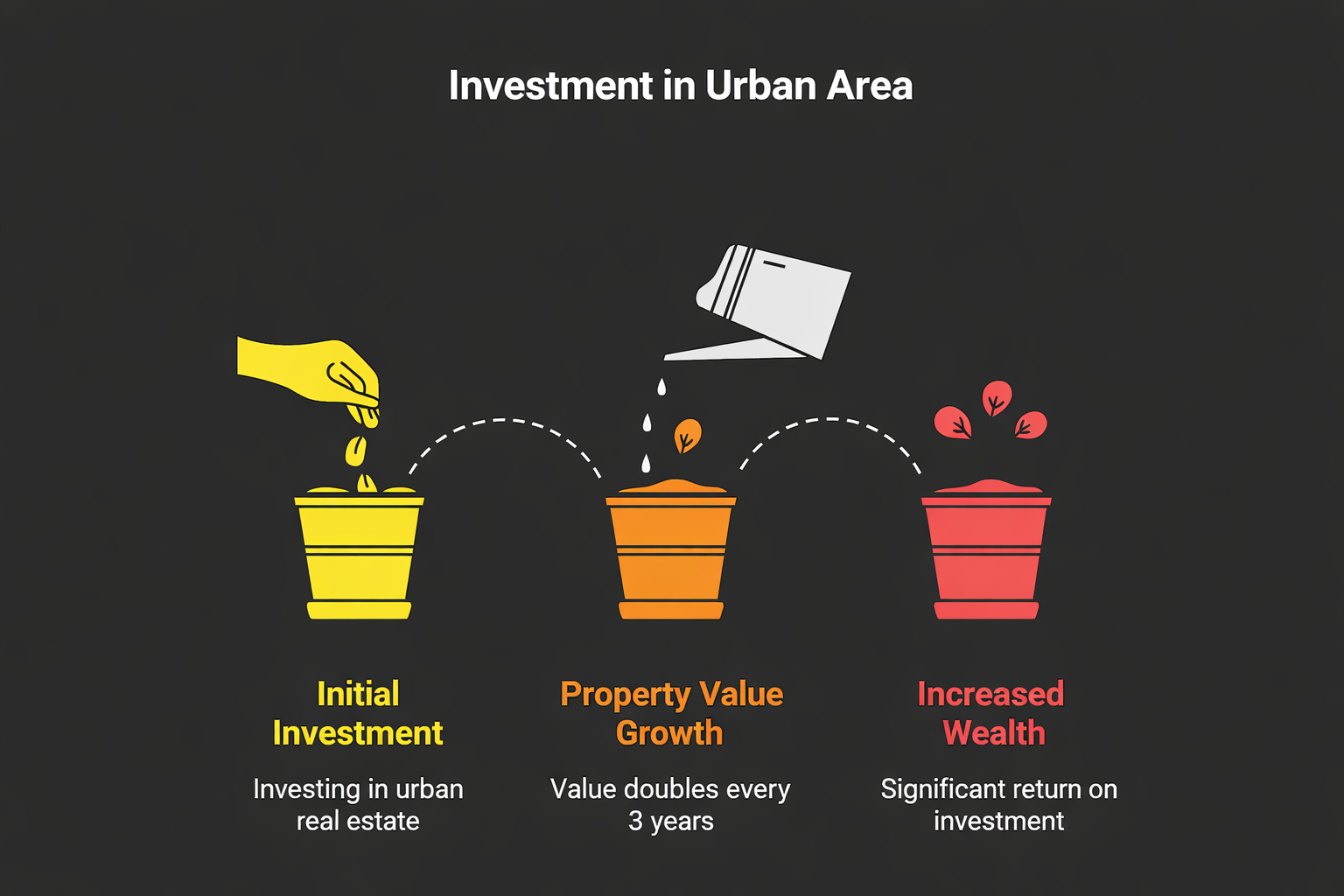
Initiate with effective market research. Browse property prices in places such as Lazimpat, Boudha, Bhaktapur, Nagarjun, and Kirtipur in Kathmandu. In urban areas across Nepal, property values are ever-increasing- some estimates say doubling every three to four years. Monitor infrastructure developments, new projects, and trends that influence buyer preferences to make wise decisions.
Step 2: Understand the Legal Requirements for Foreign Buyers
The Nepalese law tends to limit the ownership of land to citizens. Foreigners are not allowed to own freehold land directly, but may own buildings or apartments under some conditions.
Foreigners can invest in a Nepalese-registered company, or a partnership with a Nepali national would help in indirect ownership by means of the entity, whereas the land is owned by the company. Direct land acquisition is subject to exceptions that are extremely rare and that normally require special authorization by the Department of Land Reform and Management.
Non-Resident Nepali (NRN) individuals- or foreigners whose parents are Nepali- may be able to apply under special programs and must apply through special ministries.
Step 3: Choose the Right Location for Your New Home
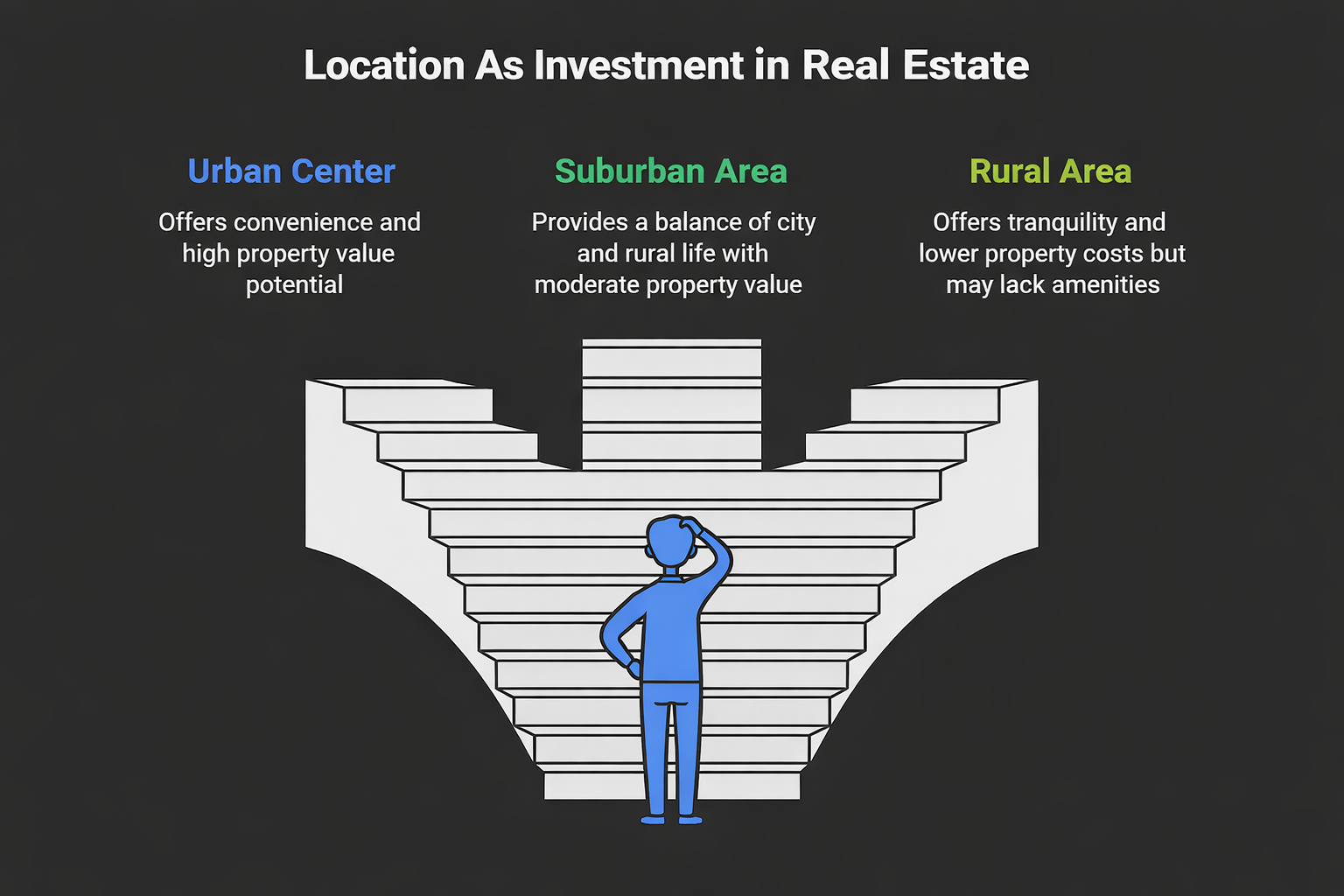
Location is what makes the difference between lifestyle and investment value. Kathmandu has all the modern conveniences, cultural liveliness, and central location, whereas other places, such as Pokhara, are beautiful, with expanding infrastructure. Every area, from valley neighborhoods to district towns, has its special benefits. When selecting a location, take into account things like access to schools, healthcare, accessibility, and future growth corridors, which can support your objectives.
Step 4: Engage with a Real Estate Agencies In Nepal
The added value of associating with a licensed and experienced real estate agent is real. Local agents may be able to give information on local prices, local supply, and new trends. They assist you in the process of price negotiations, review legal documents, and coordinate with lawyers, which saves you time, prevents missteps, and allows you to make an informed decision.
Step 5: Verify Property Documents and Ownership
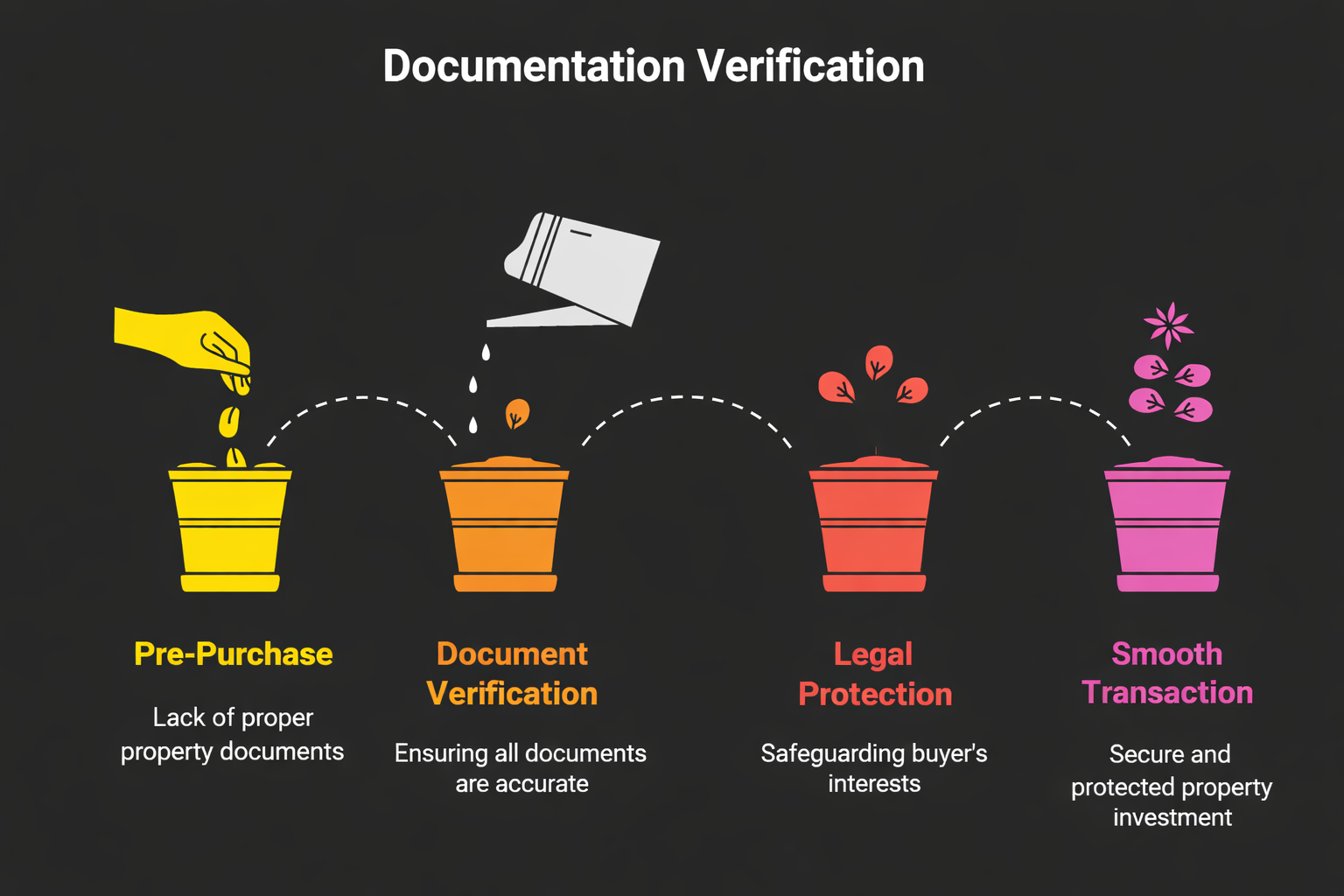
Due diligence is not a bargaining chip. Make sure that the seller has a genuine and verified ownership certificate, and there are no issues, disputes, or encumbrances. Make sure that the property is Land Ceiling Act compliant (e.g., maximum land owned: 25 ropani in Kathmandu, 10 bigha in Terai).
The transaction should be legally registered in the presence of the buyer and the seller, witnesses, and legal representatives. Registration gives you legal protection for your ownership.
Also, pay all taxes: registration tax, stamp duty, capital gains tax, and property tax. In municipalities, the price paid by the buyers is 5-7 percent of the declared value, depending on the region.
Step 6: Secure and Understand Payment Options
The majority of buyers purchase with the help of Nepal-based banks that provide home loans. Compare rates of interest, terms, and requirements of loans. Have a good credit history and records to get good rates.
Foreigners may be restricted, and therefore other financial options like equity injection by a registered company or joint venture may be required. Factor foreign exchange and transfer into your financial planning.
Step 7: Complete the Purchase Agreement and Ownership Transfer
After you feel that you are satisfied with due diligence, you may sign the sale agreement with all terms being clear and documented (e.g., payment schedule, handover date). Upon completion, the lawyers and both parties attend registration. The sale is then registered in the Land Registry and ownership is transferred.
Real-Life Experience: How We Made the Difference
The Sharma family wished to purchase their first home in Kathmandu, but they knew little about the process. They nearly entered into a contract without checking land documents, and this would have resulted in future legal hassles. They also struggled with navigating housing loan terms and registration.
When they connected with Punarvaasu Real Estate, we guided them step by step, making sure that the ownership documents were genuine and verified, negotiating with fair terms, and helping them get the right financing. They are now comfortably living in Bhaktapur, with confidence that their house provides security and a safe investment.
Conclusion: Final Steps and Tips for a Smooth Home Buying Process
Confirm building conformity: Confirm that construction adheres to Nepal Building Codes (NBC) regarding seismic standards so that it is safe and in accordance.
Legal services: A good real estate lawyer is required, particularly in the issue of the foreign investment ban.
Knowing the culture: Familiarize yourself with local cultures and customs, respecting communities and officers earns confidence.
Exit strategy: Observe the capital gains tax and resale value if you are considering resale or rental returns.
Stay informed: Legal and regulatory frameworks tend to evolve. Remain vigilant and consult in time.
Why Punarvaasu Real Estate?
At Punarvaasu Real Estate, priority is placed on expertise, ethics, and peace of mind:
- We have agents well-versed in Kathmandu, Pokhara, and more- assisting you in finding your dream home.
- We have an infrastructure of trusted legal professionals, and your documentation, tax, and registration are dealt with efficiently and safely.
Being a citizen, NRN, or foreign investor, we adapt solutions either through company establishment, partnership, or direct ownership options to your needs.