

Real estate ownership marks a great achievement in life. But it should be noted that real estate ownership does not just entail a transaction between a seller and a buyer. This entails several responsibilities in terms of either searching for a home or land and finally transferring its ownership. One thing that the seller or buyer must be aware of in the process of transacting real estate ownership is the concept of tax implications.
Every year, a large number of property transactions are completed in the country of Nepal alone. According to statistics provided by the Department of Land Management and Archives of the government of Nepal, a total of 538,128 property transactions were completed in the fiscal year 2024/25.
Yet, it is seen that many purchasers and sellers are still left in ambiguity regarding the tax payments that must be made while completing the purchase or sale of a property. Usually, such ambiguities cause delays or, in most instances, create unforeseen cash flow problems for many. In fact, the focal point of this article is to make purchasers and sellers aware of property law and property tax in Nepal.
Familiarizing oneself with the knowledge of property tax and property laws will go a long way towards ensuring a smooth transaction and will also serve to prevent loss of funds and legal conflict when buying and selling properties.
Property Tax in Nepal
Property tax refers to the mandatory tax paid to the government for owning or transferring immovable property. Immovable property basically includes land, houses, apartments, and other fixed assets
Buyers and sellers are both liable to pay property tax during the transaction or transfer of assets.
Buyers are responsible for the registration fees, stamp duty, and documentation charges, as well as the property valuation tax. Meanwhile, the sellers are liable to pay for the capital gains tax, local government taxes, and other service charges.
Both parties must pay their respective taxes to complete a legal and valid property transfer in Nepal.
How Property Tax Is Calculated?

In the case of Nepal, the formula for calculating the property taxes is dependent on the respective location, the nature of the property, the total area of the land, as well as whether it is in a municipality or rural municipality.
Property tax, however, is not standardized nationwide. This is because the rates of taxation can be varied depending on different variables or considerations as stipulated by the concerned local authority, and thus the rates of taxation may fluctuate between urban and rural areas as well as between different local units in a province.
The table below shows the property tax comparison between Kathmandu Metropolitan City and Lalitpur Metropolitan City, showcasing how their tax structures differ even if both fall within the same valley.
| Property Valuation (in Lakhs NPR) | Kathmandu Metropolitan Tax Rate | Lalitpur Metropolitan Tax Rate |
| Up to 20 Lakhs | 0.05% | 0.05% |
| 20 Lakhs – 50 Lakhs | 0.05% | 0.10% |
| 50 Lakhs – 1 Crore | 0.15% | 0.15% |
| 1 Crore – 2 Crores | 0.25% | 0.20% |
| Above 2 Crores | 0.35% | 0.20% |
Due to these variations, the exact amount of property tax payable can differ significantly depending on the location of the property. Rural municipalities generally impose lower tax rates. These rates are reviewed and may be adjusted annually by local governments, so it is recommended to refer to current local government information for the most up-to-date and accurate information.
Frequency of Property Tax Payment
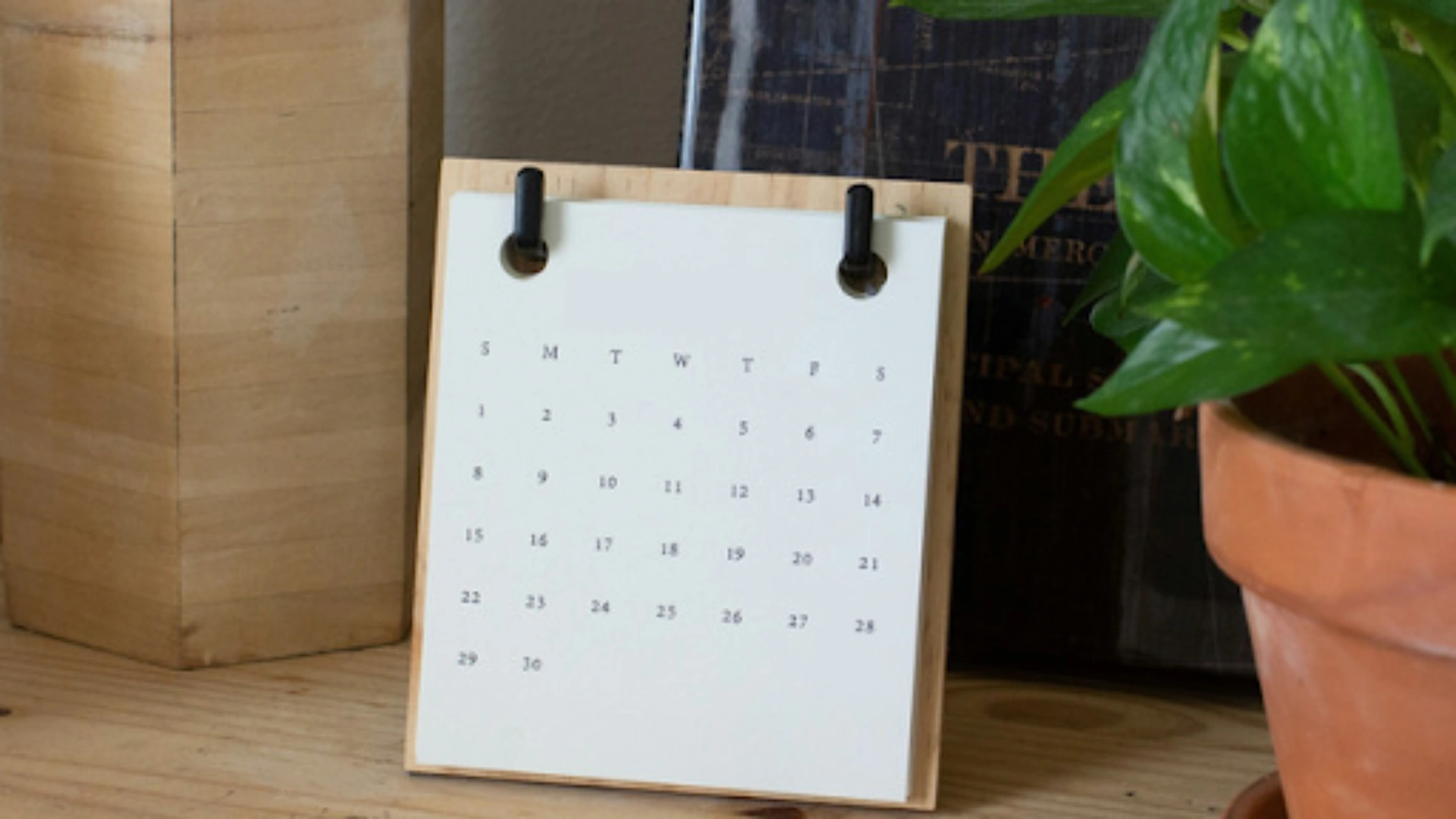
Property owners are required to pay the applicable property taxes within the Nepali fiscal year, by mid-July of the following year, that is, Shrawan- Asadh.
A fine in the form of an interest charge for late payment of the property tax is imposed on the owner of the property. This fine may go up to 2% of the amount within a given month.
To avoid facing such fines, it is recommended that the owners of such properties check with the relevant municipality/rural municipality for precise dates of payment along with other relevant processes.
Taxes During Property Purchase
Buyers are liable to pay the following property tax while purchasing a property in Nepal.
Registration Fees

Registration fees are mandatory charges paid to legally record the transfer of ownership at the Land Revenue Office (Malpot). The registration ensures that the buyer’s name is officially updated in the land registry.
In Nepal, the property transfer tax (registration fee) paid by the buyer is a percentage of the property’s value, which varies by the property’s location as well as the buyer’s gender, with reduced rates for women to encourage property ownership.
Registration Fee Rates Based on Location
In terms of location, the registration fee for property in Nepal is mostly determined based on urbanization and development of the area. To make it more understandable, the registration fee is divided into municipal and rural areas. It presented in the table below.
| Property Worth (NPR) | Municipal Areas (NPR) | Rural Municipal Areas (NPR) |
| Below 10,000 | 400 | 300 |
| 10,000-25,000 | 1000 | 500 |
| Above 25,000 | 4.5% of total worth | 2% of the total worth |
Source: National Youth Employment Framework (NYEF)
The registration fee can also vary based on the rules and regulations of the area. So it is advised to consult the local administration to confirm the actual registration fee.
Gender-Based Registration
The Government of Nepal offers reduced registration fees for properties registered in a woman’s name to encourage women’s property ownership. Women’s Ownership is provided with a 25% concession in municipal areas and 30% in rural areas.
Others
Various provinces provide concessions of around 25% when the property is bought under a senior citizen’s or a disabled person’s name.
For property within or adjacent to Kathmandu, an additional 5% surcharge of the registration fee may apply due to the Bagmati Savyata Kosh.
Stamp Duty and Documentation Charges
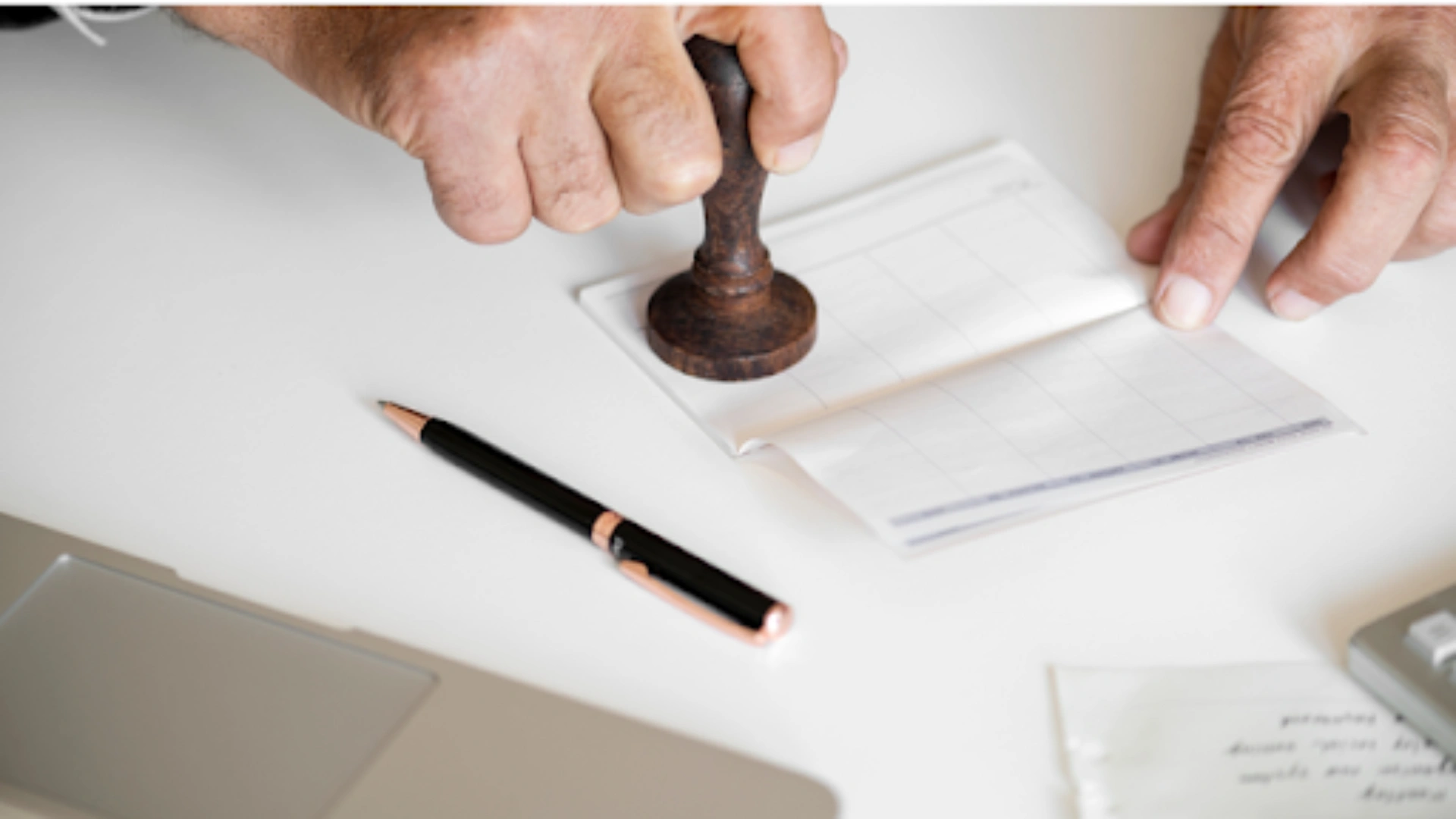
Buyers are also required to pay stamp duty and documentation charges in addition to registration fees while buying property in Nepal.
Stamp duty is a tax imposed on the sale of property/property ownership by the government, charged on the legal documents involved in property transactions, such as sale deeds (Rajinama) and transfer agreements. This tax validates the ownership transfer and makes the transaction legally admissible in a court of law.
Documentation charges refer to miscellaneous administrative and legal fees for officially recording the transaction and preparing the necessary paperwork, separate from the stamp duty tax. It covers: drafting and verification of sale deeds, updating land registry records, and issuing certified copies.
Although relatively small, these charges are mandatory, and failure to pay them can delay or invalidate the transfer.
Taxes During Property Selling
Selling a property in Nepal is the biggest financial decision of one’s life. Understanding the prevailing tax will help extract maximum returns on investment. The primary tax applicable to sellers is the Capital Gains Tax, or CGT in short.
Capital Gains Tax
In Nepal, capital gains tax refers to the taxation of profits derived from selling property. The income is recognized as such and thus subject to taxation upon the transfer of the asset.
There are two kinds of capital gains tax, depending on the period of holding the asset:
Short-Term Ownership Capital Gains (STCG): It is applicable when the property is held for less than 5 years; hence, taxes are paid at higher rates of 7.5%, thereby deterring resale.
Long-Term Ownership Capital Gains (LTCG): For properties owned for more than 5 years, lower tax rates (5%) are applied, thus promoting long-term investment.
The Capital Gains Tax (CGT) is to be paid by the seller at the Land Revenue Office during the process of property transfer.
Required Documents

These are the documents one requires to carry during the buying and selling of a property process in Nepal.
- Citizenship card (both buyer’s and seller’s)
- Original land ownership certificate (Lalpurja)
- Tax clearance certificate (obtained from Malpot Office)
- Property valuation report
- Blueprints and property map
- Transfer Deed (Rajinama)
- Passport-size photos of the buyer and seller
- No-objection letter (Manjurinama) in case one or more co-owners are unable to be physically present at the Land Revenue Office during the transaction.
Proper documentation ensures a smooth and dispute-free transfer.
Property Law in Nepal
In Nepal, there exist different legislation regarding the transfer of property, which includes the following:
National Civil Code, 2074 (2017): It is the general law governing property. This code regulates ownership, agreements or contracts, succession or inheritance, and the settlement of disputes. The code particularly covers property law in part 4
Lands Act, 2021 (1964): Although updated by including it with the Civil Code, it remains valid for land measurement, valuation, and antiquated tenure systems.
Registration Act, 2034 (1978): This act regulates the process of registration for property deeds and transfers.
Local Government Regulations: By-laws and other local regulations introduce additional complexities into property management, construction, and development.
The Land Revenue Office (Malpot) plays an important role in the registration, valuation, and tax clearance.
Special Cases
Similar to any other country, Nepal also has a few special cases or circumstances where the general application of rules and law regarding property tax differs. Special cases are essential to be known in order to avoid legal complications and unexpected tax liabilities.
Inherited Property

Property acquired through inheritance is subject to different tax treatment compared to property acquired through purchase. In Nepal, inheritance itself is generally not treated as a taxable transaction at the time of transfer, provided it is transferred among legal heirs. However, heirs are still required to:
- Complete ownership transfer at the Land Revenue Office (Malpot).
- Pay applicable registration fees and other service charges.
- Update municipal records for property tax purposes.
When inherited property is later sold, capital gains tax is applicable based on the government-recognized valuation also known as property valuation and the holding period calculated from the original registration date of the property.
Gifted Property
Property given as a gift can also lead to a gift tax, depending on the relationship between the transferor and the transferee. In most cases, when a person gives a gift, capital gains tax is not charged on the receiver, particularly when it is a family relation within the first three generations of a family. Apart from paying a gift tax, one has to pay registration and documentation fees.
Inadequate declaration of gifted properties may attract consequences of penalties, reassessment of taxes, or even litigation issues.
Foreign Nationals
Foreigners are strictly restricted in terms of the acquisition of property in Nepal. Normally, it is not allowed for a foreigner to have possession of land or residential properties unless a particular exemption is granted to the Government of Nepal in terms of qualifying investments.
Non-Resident Nepalis
NRNs are allowed to purchase certain residential properties in Nepal, as per government rules. But they have to abide by certain rules and regulations, which include the following:
- Approval by concerned governmental authorities
- Compliance with foreign currency and remittance regulations
- Payment of relevant registration charges, property taxes, as well as capital gains taxes.
NRNs are also liable for capital gains tax when they sell properties within Nepal, as are resident citizens of the country. Documentation of these transactions and legal requirements are important to avert complications when transferring properties.
Practical Tips for Buyers and Sellers

- For smooth and legal as well as financially safe property transactions in Nepal, it is suggested that buyers and sellers must comply with these steps:
- Always verify property documents: Ownership can be checked through the Land Revenue Office. Documents such as Lalpurja and tax clearance certificates also need to be verified.
- Prevent Undervaluation: The assessed value could decrease taxes; however, it may also cause an increase in the gain tax in the future.
- Professionals to consult: Lawyers and tax specialists might know the relevant property laws and tax codes applied for a specific area.
- Store all payment receipts carefully: This includes maintaining all your registration fees, taxes, and/or service charges because these can be needed for future transactions.
- Government offices should be used exclusively: All transactions should be made through the Land Revenue Offices as well as the municipality to obtain official recognition.
Conclusion
Knowledge regarding the rules and regulations of the property tax in Nepal is imperative to avoid legal conflicts, losses, and fines. The buying and selling of property involves various taxes, legalities, and documentation procedures depending on the geographic location, nature, and holding period of the property. Hence, the property has to be properly valued and followed accordingly.
The responsibilities to be kept in mind by the buyer as well as the seller include the registration cost, stamp duty, or property tax, as well as the Capital Gains Tax. In view of the fact that the taxation regulations as well as rates vary in different municipal areas, as well as different special conditions, it is always advisable to consult the experts or visit the Government office for accurate knowledge.
FAQs
Are first homebuyers eligible for taxes in Nepal?
No. There is no tax exemption for first-time property buyers in Nepal. However, buyers may receive indirect benefits such as reduced registration fees for female ownership, joint ownership discounts, or municipality-specific incentives, depending on local regulations.
What are the capital gains taxation rates regarding the sale of properties in Nepal?
Capital gain tax on properties in Nepal is based on the period held and the nature of the taxpayer:
Persons: 7.5% for properties sold within 5 years and 5% for properties sold after 5 years
Businesses/Companies: 10% whatever may be the holding period
How do cities calculate property taxes?
The tax is determined by the valuation of land and buildings by the government, and the rate charged is between 0.05% and 0.5%. Municipalities also charge the tax based on land and building size, as well as land uses.
Do NRNs have to pay property tax in Nepal?
Yes. Non-Resident Nepalis (NRNs) who are legal property owners in Nepal are liable to pay property tax, fee related to registration, and capital gain tax. But NRNs are also obliged to follow foreign investment rules.
In Nepal, are property taxes different for urban and rural municipal areas?
Yes. The property tax rates in municipalities and rural municipalities differ. The tax rates in urban areas are higher due to higher government values and government services. In rural areas, the tax rates are lower.
Are annual changes in property tax rates allowed in Nepal?
Yes. The concerned local authority enjoys the power to alter the rates of the property taxes on an annual basis, typically when the Nepalese financial year starts.
Is capital gains tax due on inherited property in Nepal?
There is no charge on the capital gains tax at the point of inheritance. However, if the inherited asset is sold, then the capital gains tax will be applicable based on the registered value at the point of inheritance and the selling price.
Can the registration of property be done without the payment of tax?
No. The registration of property cannot be done without the full payment of all the taxes such as registration fees, stamp duty, and capital gains tax.



Join The Discussion